
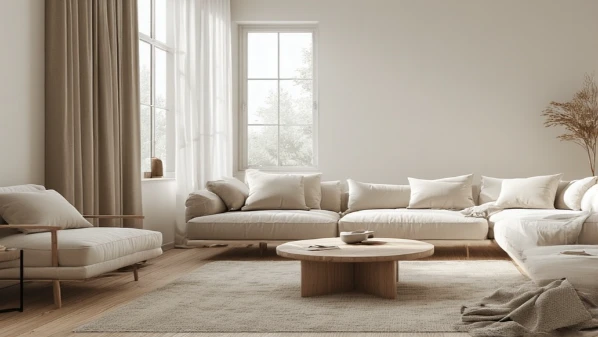
Adopting a minimal lifestyle is not about restriction or deprivation. It is about clarity, intention, and creating space for what truly matters. In a world full of distractions, excess choices, and constant noise, minimal living offers a practical and deeply fulfilling alternative.
These minimal lifestyle tips are designed to help you simplify your physical space, mental load, digital habits, and daily routines. Minimalism is not a destination you reach once; it is an ongoing practice that evolves with your life.
This guide will walk you through the mindset, methods, and habits needed to embrace a minimalist lifestyle in a realistic and sustainable way.
Understanding the Minimalist Lifestyle
Minimalism is often misunderstood as owning as little as possible. In reality, it is about owning and doing only what add value to your life.
A minimalist lifestyle focuses on intentional living. Every object, commitment, and habit is evaluated through one central question: does this serve a meaningful purpose?
What Minimalism Is and What It Is Not
Minimalism is about alignment, not aesthetics. You do not need white walls, empty rooms, or a specific style to live minimally.
It is not about counting possessions or following rigid rules. Instead, it is about removing excess so that what remains can truly support your well-being.
Minimal lifestyle tips should always adapt to your values, responsibilities, and personal goals.
Why Choose a Minimal Lifestyle

Living with less creates more space in ways that go far beyond physical surroundings.
Mental Clarity and Reduced Stress
Clutter competes for attention. When your environment is simplified, your mind naturally becomes calmer and more focused.
Minimal living reduces decision fatigue, making everyday choices easier and less draining.
Time Freedom and Intentional Living
Fewer possessions mean less cleaning, organizing, repairing, and worrying. This frees up time for relationships, creativity, health, and personal growth.
A minimalist lifestyle allows you to be more present and deliberate with how you spend your energy.
Financial Balance and Mindful Spending
When you consume less, you naturally save more. Minimal lifestyle tips encourage mindful purchasing, reducing impulse spending and financial stress.
Money is redirected toward experiences, learning, and long-term stability rather than short-lived gratification.
Getting Started With a Minimalist Mindset
Before decluttering your home, it is essential to declutter your intentions.
Find Your Personal “Why”
Your motivation will guide you through moments of doubt or resistance. Common reasons include reducing stress, gaining time, improving focus, or simplifying responsibilities.
Write down your reasons clearly. This clarity anchors your minimalist journey.
Start Small and Build Momentum
Minimalism becomes sustainable when it begins with small, manageable steps.
Choose a low-emotional area such as a drawer, shelf, or digital folder. Completing small wins builds confidence and motivation.
Create a Clutter-Free Anchor Space
Designate one small area as a clutter-free zone, such as a nightstand or kitchen counter. This space becomes a visual reminder of how simplicity feels.
Gradually expand this practice to other areas of your home.
Practical Physical Decluttering Strategies
Decluttering is not about throwing things away blindly. It is about making thoughtful decisions.
The Packing Method for Awareness
Pack your belongings as if you are moving. Over the next few weeks, unpack only what you truly need.
Most people discover they use far fewer items than they imagined. This method creates awareness without forcing quick decisions.
The 90-Day Usage Rule
Ask yourself whether you have used an item recently or realistically expect to use it soon. Items that do not serve a current or near-future purpose are often excess.
This approach removes guilt and emotional pressure from decluttering decisions.
The “Maybe Box” Approach
For items you feel unsure about, place them in a box and store it out of sight. If you do not miss or think about these items after some time, you can let them go confidently.
This technique reduces anxiety and builds trust in your judgment.
One-In, One-Out Habit
To maintain a minimalist lifestyle, create boundaries around new purchases. When something new enters your space, something similar must leave.
This simple rule prevents clutter from silently returning.
Mindful Consumption and Financial Simplicity
Minimal lifestyle tips are incomplete without addressing consumption habits.
Introduce a Pause Before Buying
Waiting before non-essential purchases helps break bad habits. A short delay often reveals whether the desire is temporary or meaningful.
This pause strengthens mindful decision-making.
Prioritize Experiences Over Objects
Experiences tend to bring longer-lasting fulfillment than possessions. Shared moments, learning opportunities, and travel often add more value than material goods.
Minimal living shifts focus from accumulation to memory creation.
Let Storage Define Limits
Allow containers such as closets, shelves, or drawers to set boundaries. When a space is full, something must be removed before adding more.
This natural limit keeps consumption in check.
Digital and Mental Minimalism

Minimalism applies as much to the mind as it does to physical space.
Simplify Your Digital Environment
Unsubscribe from newsletters you do not read. Delete unused apps. Organize files and photos regularly.
A clean digital environment reduces cognitive overload and distraction.
Practice Single-Tasking
Multitasking often reduces efficiency and increases stress. Focusing on one task at a time improves quality and allows deeper engagement.
This practice supports productivity and mental calm.
Learn to Say No Without Guilt
Minimal living requires protecting your time and energy. Saying no to commitments that do not align with your values creates space for what truly matters.
Boundaries are an essential part of a minimalist lifestyle.
Sustainable Minimalist Habits for Daily Life
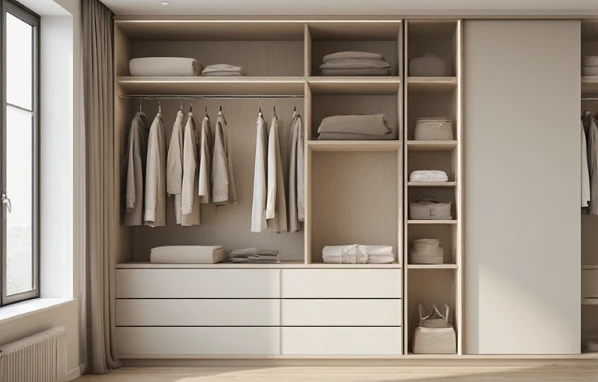
Consistency matters more than intensity.
The Two-Minute Rule
If a task takes less than two minutes, do it immediately. This prevents small tasks from accumulating into overwhelming clutter.
This habit keeps life running smoothly with minimal effort.
Simplify Clothing Choices
A capsule or uniform wardrobe reduces daily decision-making. Choose versatile, comfortable, and high-quality pieces that suit your lifestyle.
This approach saves time, money, and mental energy.
Repeat Simple, Nourishing Meals
Rotating a small selection of meals simplifies grocery shopping and cooking. This reduces decision fatigue while supporting healthy routines.
Minimal lifestyle tips work best when they simplify daily rhythms.
Minimalism Beyond Possessions
Minimalism extends into every area of life.
Relationships and Social Commitments
Quality matters more than quantity. Intentional relationships bring deeper connection and less emotional exhaustion.
Evaluate which connections nourish you and which drain you.
Time and Goal Simplification
Too many goals can create stress and paralysis. Focus on a few meaningful priorities at a time.
Minimal living encourages depth over breadth.
Work and Productivity
A minimalist approach to work removes unnecessary meetings, distractions, and tasks. This leads to higher-quality output and reduced burnout.
Doing less, better, becomes the guiding principle.
Common Minimalism Myths

Minimalism is not about perfection. It does not require owning a fixed number of items or following strict rules.
It is not about aesthetics or comparison. A minimalist lifestyle looks different for everyone.
Minimal living is flexible, adaptable, and deeply personal and living by your values.
Frequently Asked Questions
1.What is the best way to start a minimalist lifestyle?
The best way to start is by identifying your reason for simplifying and beginning with a small, low-stress area. Gradual progress leads to lasting change.
2.Can minimalism work for families?
Yes. Minimalism can be adapted to families by focusing on shared values, functional spaces, and intentional routines rather than strict rules.
3.Does minimalism mean never buying anything?
No. Minimalism encourages mindful purchasing, not deprivation. Buying fewer but better items is often the goal.
4.How long does it take to see results?
Many people feel benefits quickly, especially reduced stress and clarity. Long-term results develop through consistent habits.
5.Is digital minimalism really necessary?
Yes. Digital clutter affects focus and mental health just as physical clutter does. Simplifying digital spaces supports overall well-being.
Minimal Living Encourages Depth Over Breadth
A minimalist lifestyle is not about having less for the sake of less. It is about making room for what truly matters.
These minimal lifestyle tips offer a framework for intentional living, helping you reduce distractions, simplify decisions, and align your daily life by your values.
Minimalism is a continuous practice, not a one-time project. As your life evolves, your version of minimal living will evolve with it.
By choosing simplicity, you create space for clarity, purpose, and meaningful experiences.