

Lifestyle trends are no longer about copying what is popular or visually appealing. Today, they reflect deeper changes in how people think about health, technology, work, home, and personal wellbeing.
The lifestyle trends you should follow now are rooted in adaptability, personalization, and balance between modern innovation and human needs.
As environmental pressures increase and digital life becomes more demanding, people are redesigning their lifestyles to be more resilient, intentional, and sustainable.
This guide explores the most important lifestyle trends you should follow to live better, stay healthier, and remain grounded in a fast-changing world.
Why Lifestyle Trends Matter More Than Ever
Lifestyle trends shape daily habits, long-term health outcomes, and overall quality of life. They influence how people eat, work, rest, travel, and connect with others.
Unlike short-lived fads, meaningful lifestyle trends emerge from real challenges such as climate stress, burnout, and information overload in a fast-changing world.
Following the right lifestyle trends helps reduce stress, improve longevity, and create routines that support both mental and physical wellbeing. These trends are practical tools for living well, not rules to follow blindly.
Health and Wellness Lifestyle Trends Shaping Everyday Life
Health-focused living has evolved from extreme routines to smarter, more personalized approaches that respect individual limits and long-term sustainability.
Climate-Adaptive Wellness and Heat Awareness
As temperatures rise globally, adapting daily routines to environmental conditions has become essential. Climate-adaptive wellness focuses on adjusting activity timing, clothing choices, and hydration strategies to protect the body from heat stress.
People are choosing breathable, moisture-managing fabrics, using personal cooling tools, and planning outdoor movement during safer temperature windows. This approach prioritizes safety, energy conservation, and long-term health rather than pushing physical limits.
This trend encourages listening to the body and respecting environmental realities instead of ignoring them.
AI-Driven Personal Health Optimization
One of the most influential lifestyle trends you should follow is personalized health planning powered by intelligent systems. Instead of generic advice, people are using data-driven tools to understand their unique needs.
These systems analyze sleep quality, nutrition patterns, physical activity, stress markers, and recovery cycles. The result is a tailored approach to health that helps improve energy, digestion, immunity, and overall wellbeing.
This trend shifts the focus from reactive healthcare to proactive lifestyle design.
Mind-Body Biohacking and Low-Stress Movement
Wellness is increasingly centered on nervous system health. Mind-body biohacking emphasizes gentle activities that reduce stress hormones and improve emotional regulation.
Low-impact movement such as mindful walking, slow hiking, stretching, and nature-based activities has gained popularity. These practices support mental clarity, reduce anxiety, and promote long-term consistency.
Technology complements this trend through tools that support sleep quality, guided breathing, and relaxation rather than constant stimulation.
Environment and Home Lifestyle Trends for Intentional Living
Home and environment play a critical role in shaping habits, comfort, and mental health. Lifestyle trends now focus on resilience, sustainability, and functional comfort.
Rugged Luxury and Comfort Beyond Walls
Rugged luxury blends comfort with exploration. This lifestyle trend reflects a desire to experience the outdoors without sacrificing reliability or ease.
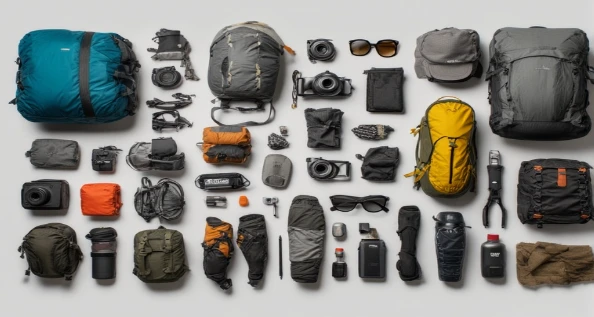
People are investing in durable, high-quality gear that provides warmth, rest, and functionality in natural settings. This includes modular equipment, portable comfort solutions, and weather resistant materials.
Rugged luxury is not about excess but about confidence and preparedness in any environment.
Circular Minimalism and Thoughtful Ownership
Minimalism has evolved into a more practical and ethical lifestyle. Circular minimalism focuses on durability, repairability, and responsible production.
Instead of frequent replacements, people are choosing items designed to last and be maintained over time. Transparency in sourcing, ethical labor practices, and long-term usability are becoming key purchasing factors.
This approach reduces waste while encouraging mindful consumption.
Hyperlocal Living and Community-Centered Choices
Hyperlocal living emphasizes supporting nearby communities and reducing dependency on distant supply chains. People are choosing local services, independent sellers, and regional food sources.
This lifestyle trend strengthens social connections, lowers environmental impact, and builds resilience at the community level. It also creates a stronger sense of belonging and trust.
Hyperlocal living turns everyday consumption into a meaningful social act.
Work and Technology Lifestyle Trends Redefining Productivity
Work and technology are being redesigned to support health, privacy, and sustainable productivity rather than constant availability.
Digital Self-Sufficiency and Data Awareness
Digital self-sufficiency is a response to platform fatigue and privacy concerns. People are moving away from mass platforms and toward smaller, value-driven digital communities.
This trend includes prioritizing data privacy, reducing algorithm-driven content consumption, and choosing tools that align with personal values. Digital independence helps reduce mental clutter and regain control over attention.
Technology becomes a support system rather than a source of pressure.
Work-Life Integration and Wellness-Oriented Spaces
The concept of work-life balance has shifted toward work-life integration. Instead of separating work and life, people are designing environments that support both simultaneously.
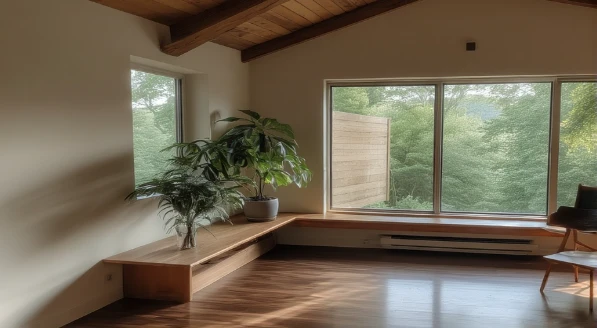
Home workspaces now prioritize ergonomic design, movement-friendly layouts, natural lighting, and air quality. The goal is to protect physical health while maintaining productivity.
This trend recognizes that wellbeing and work performance are deeply connected.
Everyday Lifestyle Shifts Supporting Long-Term Wellbeing
Beyond major systems, small daily habits are changing in meaningful ways.
Biological Age Awareness Over Appearance
People are increasingly focused on internal health markers rather than external appearance. Strength, mobility, sleep quality, and metabolic health are becoming more valued than aesthetics.
This mindset shift encourages sustainable habits such as strength training, balanced nutrition, and consistent rest rather than quick fixes.
Longevity becomes a lifestyle, not a trend.
Nervous System Regulation as a Wellness Priority
Stress management has moved beyond mindset alone. Lifestyle trends now emphasize physical regulation through breathwork, somatic practices, and body-based therapy.
These approaches help the body recover from chronic stress and improve emotional resilience. Supporting the nervous system improves sleep, focus, and overall health.
Analogue Living and Intentional Disconnection
One of the most noticeable lifestyle trends you should follow is the return to analogue experiences. People are intentionally reducing screen time and reconnecting with physical activities.
Journaling on paper, reading printed books, spending time in nature, and engaging in offline hobbies are becoming markers of a balanced life.
Analogue living is not rejection of technology but a conscious rebalancing.
How to Adopt Lifestyle Trends Without Overwhelm

Adopting lifestyle trends does not require drastic changes. The most effective approach is gradual integration based on personal needs.
Start by observing what areas of life feel most strained. Introduce one or two changes that improve comfort, health, or focus. Lifestyle trends work best when they support your reality rather than compete with it.
Consistency matters more than intensity for long-term wellbeing.
Common Mistakes to Avoid When Following Lifestyle Trends
Many people fall into the trap of copying routines that are not designed for them. Avoid extreme optimization, unnecessary spending, and advice that ignores individual context.
Lifestyle trends should enhance life, not add pressure or guilt. Simplicity, adaptability, and self-awareness are key.
Frequently Asked Questions
1.What are lifestyle trends and why do they matter
Lifestyle trends reflect changes in how people live, work, and care for their health. They matter because they influence long-term wellbeing and daily habits.
2.Are lifestyle trends suitable for everyone
Not every trend suits every person. Lifestyle trends should be adapted to individual needs, environments, and priorities.
3.How can I follow lifestyle trends without spending too much
Focus on habits and mindset changes first. Many effective lifestyle shifts such as movement, sleep improvement, and digital boundaries cost little or nothing.
4.Do lifestyle trends change frequently
Surface-level trends change often, but foundational lifestyle shifts like personalization, sustainability, and balance remain consistent over time.
5.Can lifestyle trends improve mental health
Yes, many modern lifestyle trends prioritize nervous system regulation, reduced stress, and healthier relationships with technology.
The Most Important Lifestyle Trends You Should Follow To Live Better
The lifestyle trends you should follow are grounded in resilience, personalization, and intentional living. They respond to real challenges such as environmental stress, digital overload, and declining wellbeing.
By focusing on adaptive health practices, sustainable living, mindful technology use, and community connection, these trends offer a blueprint for a balanced and future-ready life.
The goal is not perfection but alignment with what truly supports long-term wellbeing.