
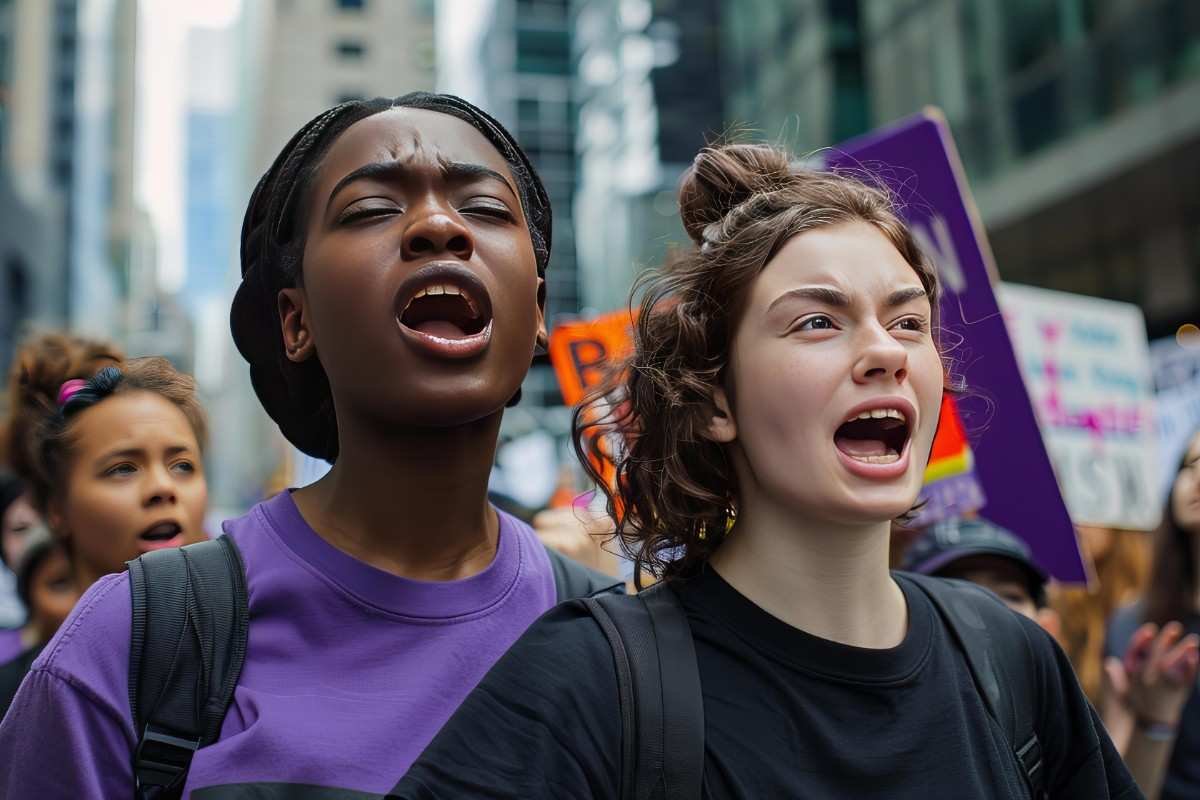
I still remember the first time I nodded along in a conversation about what is woke culture without fully understanding it. A casual chat turned intense, opinions flew, and I realized I needed clarity instead of vibes. That curiosity sent me digging into history, politics, and real-life examples. What I found is that woke culture is not a buzzword accident. It is a term with deep roots, emotional weight, and very different meanings depending on who is using it and why.
What Is Woke Culture And Where Did It Begin
To understand woke culture, you have to start with its origin. The word “woke” comes from African American Vernacular English and originally meant being awake to racial injustice. As early as 1938, blues musician Lead Belly used the phrase “stay woke” to warn Black Americans about racially motivated threats and systemic danger.
For decades, being woke signified awareness of discrimination that mainstream society often ignored. This meaning remained largely within Black communities until social media and activism brought it into broader public conversation. At this stage, woke culture was about survival, awareness, and collective protection rather than politics or branding.
What Is Woke Culture And Its Rise Through Civil Rights Movements
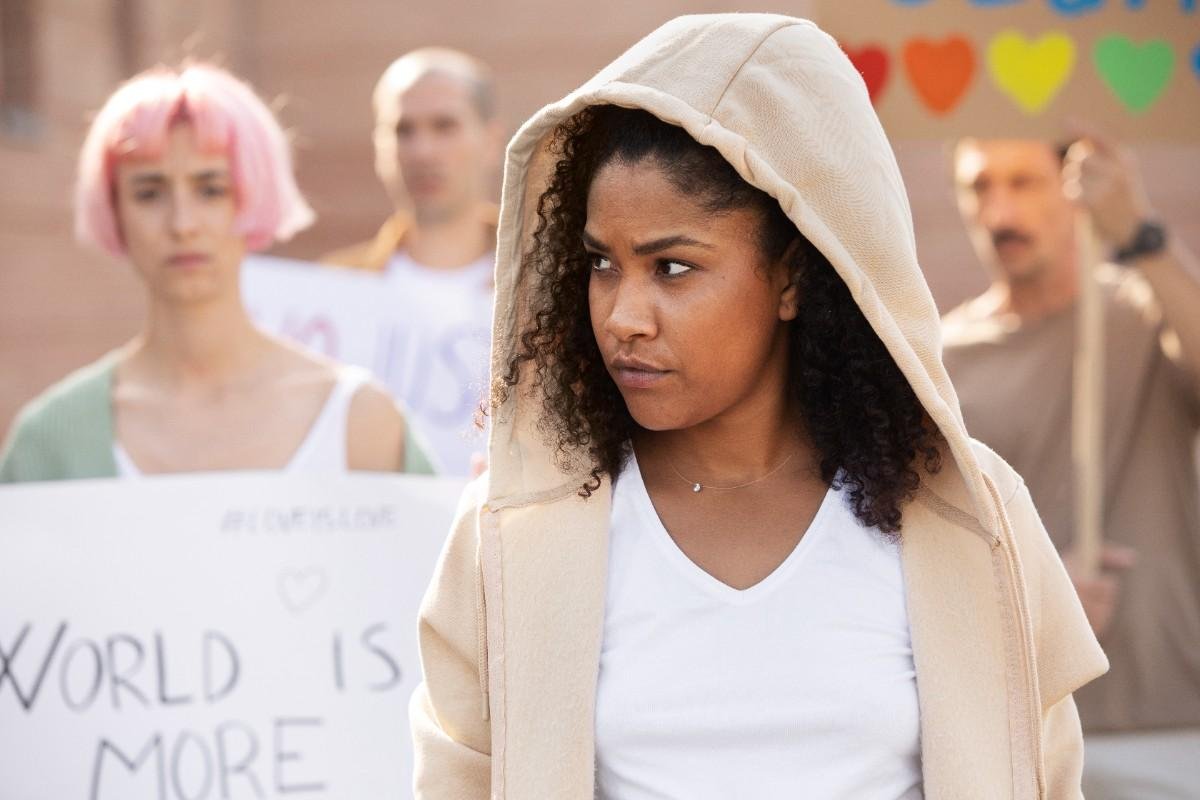
The modern visibility of what is woke culture accelerated during the 2010s. After the 2014 shooting of Michael Brown in Ferguson, activists associated with Black Lives Matter used the term to encourage awareness of police brutality and racial injustice. “Stay woke” became a rallying cry rather than a quiet reminder.
This period marked a shift. Woke culture entered mainstream media, newsrooms, and public policy conversations. The term expanded from racial awareness into a broader framework that included gender equality, LGBTQ+ rights, and systemic reform. Awareness became activism, and activism became highly visible.
Woke Culture In Modern Political Language
By 2026, what is woke culture depends heavily on who is speaking. Supporters use the term to describe an active awareness of systemic injustice and a willingness to address inequality through policy, education, and Diversity Equity and Inclusion initiatives. In this view, woke culture is about accountability and progress.
Critics, particularly on the political right, use “woke” as a negative label. They associate it with cancel culture, performative activism, and extreme political correctness. Media outlets such as ABC News have documented how the same word can signal empathy to one group and overreach to another. This split meaning is what fuels most public conflict around the term.
What Is Woke Culture And Why Conflicts Intensified In 2025
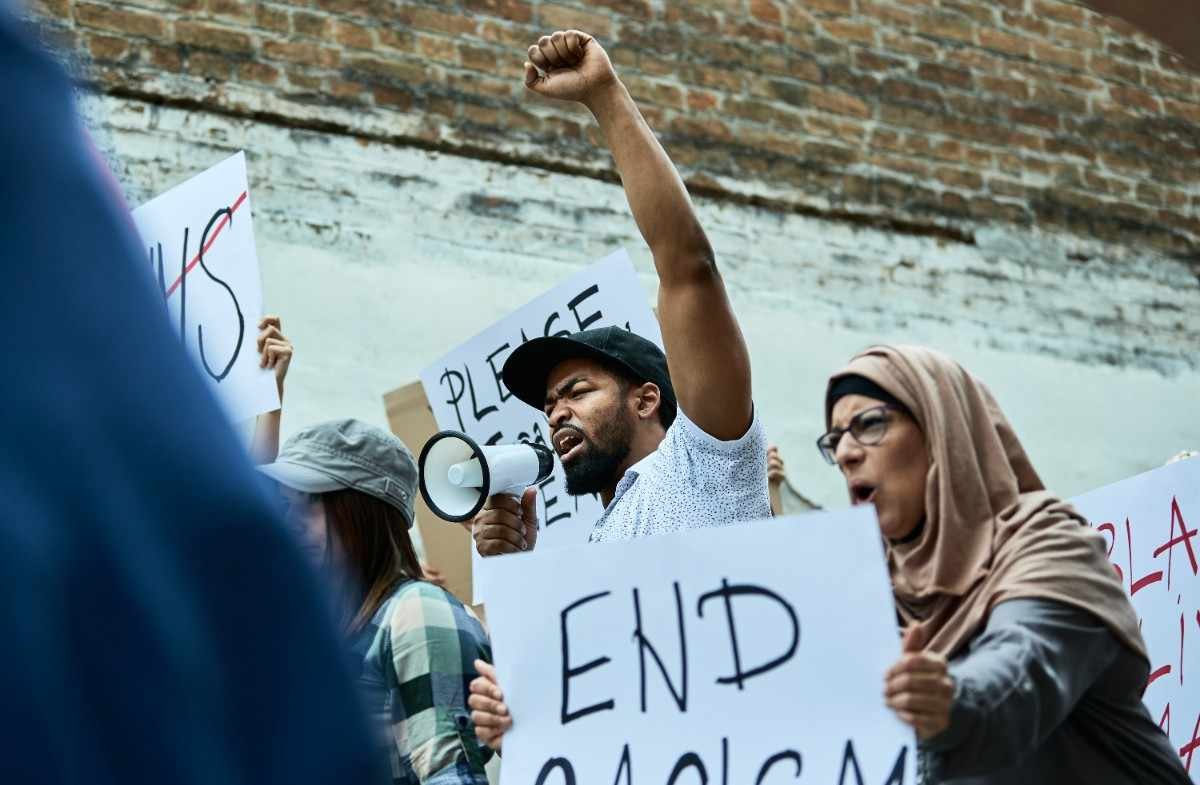
The debate over what is woke culture escalated sharply during 2025 and 2026 due to government action and cultural backlash. Executive orders in the United States limited DEI programs in federal institutions, framing them as discriminatory. State-level policies such as the Stop W.O.K.E. Act restricted how race and gender could be discussed in classrooms and workplaces.
At the same time, commentators began talking about a “woke right,” where conservative groups used boycotts and legal pressure to enforce their own social values. The term also spread globally. In France, critics call it “le wokisme,” while in India, it is often used to dismiss secular or liberal criticism. Corporate backlash followed, with phrases like “get woke go broke” entering popular vocabulary.
How To Understand Woke Culture In Everyday Life
If you are trying to make sense of woke culture without getting overwhelmed, start with observation. Notice where the term appears in your daily life. It shows up in workplace training, entertainment casting, school policies, and brand messaging. Each context uses the idea differently, which is why confusion happens.
Next, separate awareness from enforcement. Awareness invites reflection and empathy, while enforcement often feels like pressure. Understanding that distinction helps you engage thoughtfully instead of defensively. Woke culture is not a checklist. It is an evolving social conversation shaped by history, media, and emotion.
How To Engage With Woke Culture Thoughtfully
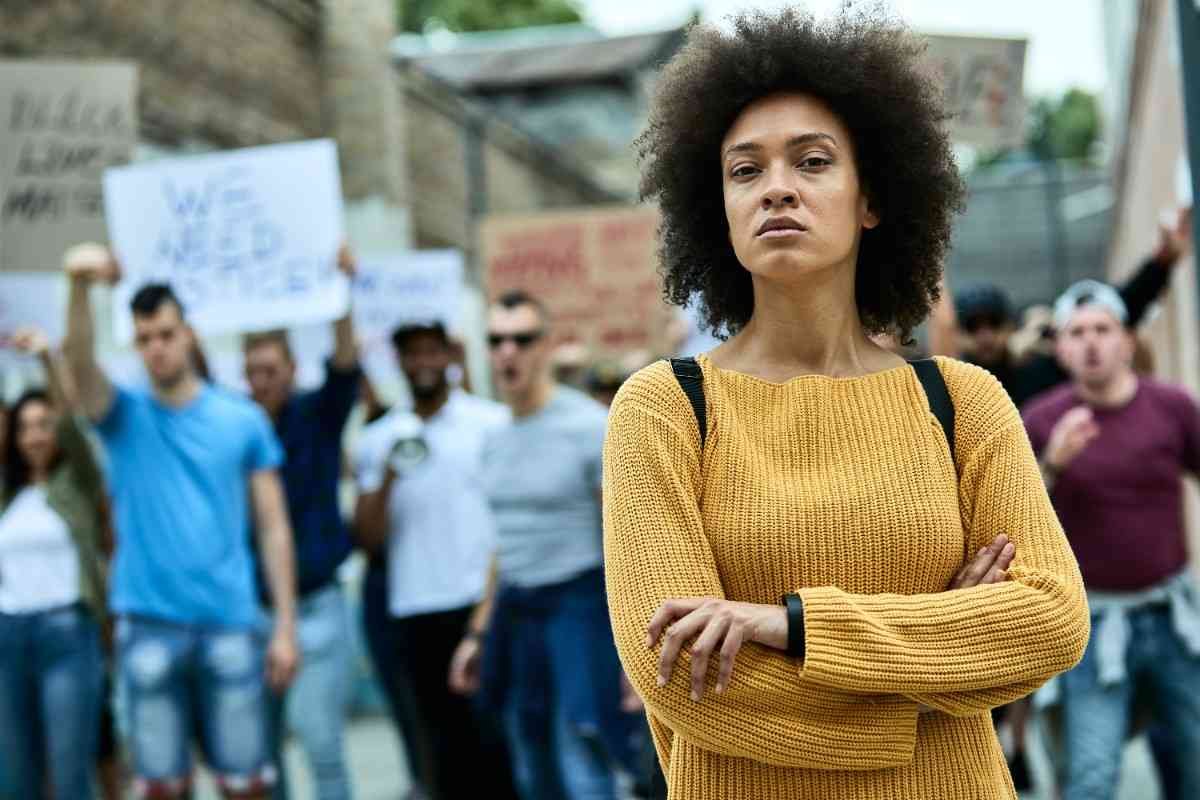
Engaging with woke culture starts with credible information. Reading from reliable outlets like Wikipedia and established news organizations helps you understand context rather than outrage. Misinformation thrives on oversimplification.
Equally important is self-awareness. You do not need to agree with every aspect of woke culture to understand why it matters to others. Asking questions, listening actively, and reflecting on your own values builds confidence. Respectful engagement keeps conversations productive instead of polarizing.
Frequently Asked Questions
1. Is woke culture and is it the same as cancel culture?
Woke culture is not the same as cancel culture, although they are often linked online. Woke culture focuses on awareness of injustice and social responsibility. Cancel culture refers to public backlash or withdrawal of support after perceived wrongdoing. Some people support awareness without supporting public shaming. Understanding this difference helps you navigate discussions without lumping every social debate into one label.
2. What is woke culture and why do people disagree about it?
People disagree about woke culture because it carries emotional and political weight. Supporters see it as empathy and progress. Critics see it as pressure or moral policing. These reactions are shaped by personal experience, media framing, and cultural identity. The disagreement is less about the word itself and more about values and trust.
3. What is woke culture and why do companies use it?
Companies engage with woke culture to reflect social values and attract modern consumers. Inclusive messaging can build trust when it is genuine. When it feels performative, audiences push back. Consumers are quick to notice whether a brand’s actions match its messaging, which explains both praise and backlash.
4. What is woke culture and can you criticize it respectfully?
Yes, you can question woke culture respectfully. Criticism becomes productive when it focuses on ideas rather than people. Listening first, avoiding assumptions, and expressing disagreement calmly keeps dialogue open. Respectful critique allows learning on both sides instead of escalating conflict.
Woke Culture And The Real Takeaway
After all my reading and reflection on what is woke culture, one thing is clear. It is not a trend you either pass or fail. It is a living conversation shaped by history, activism, politics, and everyday behavior. My personal rule is simple. Stay curious, stay kind, and stay grounded. You do not need perfect language or a loud opinion. You just need the willingness to understand before reacting. That mindset makes every conversation easier and a lot more human.
