

The Nature of Luck in Casino Games
Luck is often viewed as the unpredictable force that can make or break a player’s experience at a casino. In games of chance, such as slots or roulette, luck plays an undeniable role. The outcomes depend solely on random chance, meaning players have little to no control over the results. For instance, while a player may choose how much to bet or which game to play, the actual results are determined by factors beyond their influence, such as the random number generator in slot machines or the spin of the roulette wheel. Many players now turn to betting apps to enhance their gaming experience, and this randomness is what makes these games thrilling yet unpredictable, offering the potential for exhilarating wins or heartbreaking losses.
Moreover, luck can significantly impact a player’s perception of their overall success. A player may hit a jackpot on their first try, leading them to believe they possess a winning streak when, in reality, it is simply a fortunate outcome. Such impulsive gameplay, driven by early wins, may encourage players to continue betting larger amounts, often resulting in substantial losses. This illustrates how the element of luck can create a mirage of control, prompting players to dive deeper into the gaming experience without recognizing the inherent risks associated with chance-based games. The allure of quick rewards often overshadows the reality of the odds, leading to a cycle of dependency on luck.
Additionally, the role of luck extends beyond just winning or losing; it also encompasses timing and opportunity. For example, entering a game at a moment when luck appears to be on a player’s side can lead to significant winnings. Yet, as with any luck-driven outcome, this fortunate timing can be fleeting. The unpredictability of luck highlights the transient nature of casino experiences, reinforcing the idea that while one might experience good fortune, it is not a reliable or repeatable strategy for success. Players often find themselves in situations where their fortunes change dramatically from one moment to the next, emphasizing that luck is, ultimately, an elusive and capricious companion in the world of gambling.
The Importance of Skill in Strategy-Based Games
In contrast to games of chance, skill-based games such as poker and blackjack require players to implement strategies that can enhance their chances of winning. In poker, for instance, a player’s ability to read other participants, calculate probabilities, and manage their bankroll can significantly impact the game’s outcome. A skilled player can make informed decisions—such as when to bluff or fold—to maximize their chances of winning, which clearly showcases the importance of skill in these contexts. This element of strategy not only adds depth to the gameplay but also creates a competitive environment where knowledge and experience can significantly influence results.
Moreover, the strategic aspect of skill-based games can produce long-term success beyond individual sessions. Players who invest time in studying game mechanics, learning optimal strategies, and practicing can expect to perform better than those who rely solely on luck. This difference is evident in competitive settings, where skilled players often dominate over casual gamers who underestimate the importance of strategy and preparation. The ability to adapt and refine one’s approach in response to changing dynamics on the table is a hallmark of skilled players, showcasing how preparation can lead to significantly improved outcomes.

Skill also extends into aspects such as emotional control and discipline. A skilled player understands the importance of maintaining composure, especially in high-stress situations. They know when to walk away from the table to minimize losses and when to seize the moment for potential gains. Emotional intelligence, coupled with strategic thinking, can drastically affect the decisions made during gameplay, showcasing how skill plays a critical role in not just winning but managing risk effectively. This balance of emotion and intellect can often be the deciding factor between a novice and a seasoned player, as the latter learns to navigate the psychological pressures of gambling.
The Balance Between Luck and Skill
Understanding the balance between luck and skill is crucial for anyone engaging with casino games. While luck can favor a player in the short term, it is skill that often determines success in the long run. This balance creates a dynamic environment where players must acknowledge the role of fortune while also recognizing that preparation and skill can influence outcomes. For instance, a skilled poker player may face a bad beat due to poor luck but can still rely on their overall expertise to mitigate losses over multiple games. This ability to navigate the ups and downs of gaming is what separates the occasional player from those who truly understand the art of gambling.
The interaction between luck and skill is particularly evident in tournaments. In many cases, a player may experience moments of both fortune and misfortune. However, skilled players can adjust their strategies to navigate through these fluctuations effectively. Over time, the influence of skill starts to outweigh the randomness of luck as players refine their techniques and adaptability, leading to sustained success and a more rewarding experience. This gradual mastery of the game often results in a deeper enjoyment of the process, as players become more engaged in the intricacies of strategy and skill development.
This interplay also holds valuable lessons for casino enthusiasts. Developing a mindset that accepts fluctuations in luck while actively seeking to enhance one’s skills can lead to a more fulfilling gaming experience. Whether through education, practice, or community engagement, players who invest in both realms can create opportunities for greater enjoyment and success within the casino landscape. This holistic approach to gaming not only fosters a better understanding of the games themselves but also cultivates a healthier relationship with gambling, where players can appreciate both the thrill of chance and the satisfaction of skill.
Psychological Factors Influencing Perception of Luck and Skill
The psychology of gambling plays a significant role in how players perceive luck and skill. Many individuals may overestimate the influence of luck, particularly after a streak of wins. This phenomenon is known as the “gambler’s fallacy,” where players may believe that past events can influence future outcomes. Recognizing this cognitive bias allows players to make more informed decisions, as they work to differentiate between actual skill-based strategies and the mere illusion of control that comes from a series of lucky outcomes. This awareness is crucial in fostering a more rational approach to gambling that prioritizes skill development over reliance on luck.
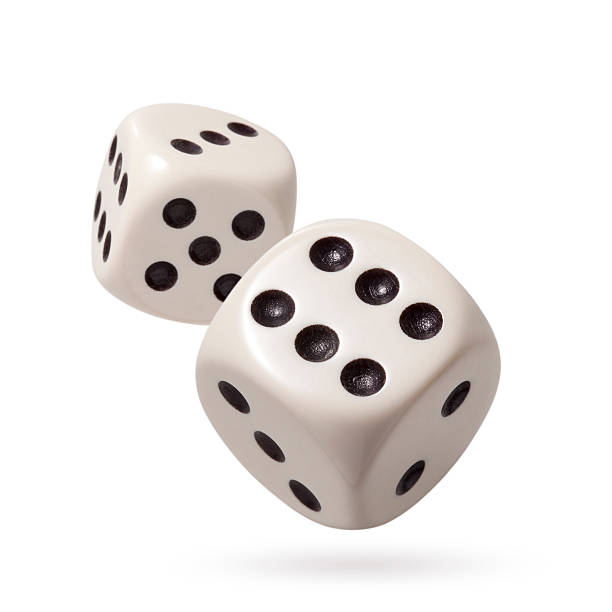
Conversely, some players may downplay the role of luck, attributing their losses solely to skill deficits. This mindset can lead to frustration and over-analysis of their gameplay, often resulting in a cycle of chasing losses or making impulsive bets in an attempt to regain control. It’s crucial for players to have a balanced view, recognizing that luck will always be a factor in gambling while also acknowledging the importance of honing their skills to improve their game. This understanding can help mitigate the emotional toll of losses and foster a more resilient approach to gaming.
Furthermore, emotional attachment to gambling outcomes can skew a player’s perception of their performance. When individuals invest their emotions in the results—whether from excitement or despair—they may overlook the cold, hard facts of luck versus skill. Developing a rational approach towards the games, where players can acknowledge both elements, enables a healthier relationship with gambling. This understanding fosters a more enjoyable experience while encouraging responsible gaming practices. Ultimately, a well-rounded perspective on luck and skill can help players navigate the complexities of casino gaming with greater confidence and insight.
Exploring Resources for Improved Casino Success
As players seek to improve their success at casinos, various resources are available to bridge the gap between luck and skill. Online tutorials, strategy guides, and books can offer valuable insights into both the dynamics of luck and the necessary skills for different games. By engaging with these resources, players can cultivate a deeper understanding of game mechanics, improve their abilities, and develop strategies to maximize their wins. Educational tools can demystify complicated games and provide practical tips that enhance a player’s confidence and competence.
Communities and forums dedicated to gaming provide a platform for sharing experiences and strategies among players. Engaging with fellow gamblers allows for the exchange of tips and techniques that can enhance one’s skills. Whether it’s discussing mathematical probabilities for blackjack or sharing psychological tactics for poker, collaboration among players fosters growth and a more nuanced understanding of the balance between luck and skill. These interactions can lead to new insights and strategies that might not have been considered in isolation.
Additionally, platforms that offer simulations or practice games can provide invaluable experience without the risk of losing money. These environments allow players to hone their skills, experiment with strategies, and prepare for real-money gameplay. By investing time in practice, players can alleviate the reliance on luck and position themselves for greater success within the casino arena. This preparation can transform a player’s experience from that of a passive participant to an active strategist, ready to face the challenges of the gaming world with confidence and skill.
