

Improving your life does not require drastic changes, extreme discipline, or a complete personality overhaul. In fact, the most effective changes come from small, realistic adjustments that quietly compound over time.
These realistic lifestyle improvement ideas are designed for real people with busy schedules, limited energy, and everyday responsibilities.
Rather than chasing perfection, this guide focuses on marginal gains. Tiny habits, repeated consistently, create lasting improvements in physical health, mental wellbeing, productivity, and happiness and life satisfaction.
If you want change that feels natural and sustainable, these realistic lifestyle improvement ideas offer a practical starting point.
Why Realistic Lifestyle Improvement Ideas Matter
Many people fail to improve their lifestyle because they aim too high too fast. Extreme routines, rigid schedules, and unrealistic expectations often lead to burnout. Realistic lifestyle improvement ideas work because they respect human limitations.
Small changes reduce resistance. They fit into existing routines instead of fighting against them. Over time, these subtle shifts lead to better health, clearer thinking, and a calmer daily experience.
Lifestyle improvement succeeds when it feels achievable, not overwhelming to achieve happiness and life satisfaction.
Physical Health Improvements You Can Maintain Long Term
Physical wellbeing is not built through occasional intensity but through consistent, low-effort habits that support the body every day.
Micro-Movements to Counter a Sedentary Life
Long periods of sitting are one of the most damaging modern habits. A realistic solution is to introduce micro-movements throughout the day.
Standing up, stretching, or walking for two minutes every hour helps improve circulation, reduce stiffness, and lower long-term health risks. These movements require no equipment and no special clothing.
This is one of the simplest realistic lifestyle improvement ideas with immediate benefits.
Improving Sleep Without Overhauling Your Schedule
Better sleep starts with small environmental changes rather than strict routines. One effective habit is reducing exposure to artificial light before bedtime.
Turning off screens shortly before sleeping allows natural sleep hormones to function properly. Pairing this with consistent bed and wake times improves sleep quality without adding complexity.
Sleep improves when the body feels safe and predictable.
Hydration as a Foundation Habit
Many people underestimate the impact of hydration. Drinking adequate water supports energy levels, digestion, focus, and skin health.
Instead of tracking obsessively, build hydration into existing routines. Drink water after waking, before meals, and during breaks. This removes the need for constant reminders.
Hydration is a quiet but powerful lifestyle upgrade.
Using Delayed Decisions to Reduce Impulse Habits
Impulse behaviors often undermine physical and financial wellbeing. A simple delay rule can change this pattern.
Waiting before making non-essential decisions allows emotional impulses to settle. This reduces clutter, saves money, and encourages intentional choices.
This habit strengthens self-trust and decision-making over time.
Mental and Emotional Wellbeing Through Small Shifts

Mental health improves not only through therapy or meditation but also through everyday interactions and thought patterns.
Practicing Kind Attention in Daily Interactions
Small moments of kindness can significantly shift emotional state. Making brief eye contact, smiling, or wishing someone well internally changes how the brain perceives the world.
This habit reduces judgment, increases empathy, and improves mood without requiring conversation or effort.
Kind attention trains the mind to look for connection instead of threat.
Building Positivity With Simple Reflection
Focusing on positive moments helps balance the brain’s natural negativity bias. A short daily reflection on what went well strengthens emotional resilience.
Writing down positive events encourages awareness of progress and pleasure that might otherwise go unnoticed.
This practice works best when it remains simple and pressure-free.
Creating Boundaries Around Distressing Information
Constant exposure to negative news can distort perception and increase anxiety. Setting boundaries around information intake protects your mental health.
Limiting consumption to specific times or trusted sources prevents emotional overload. Awareness improves when attention is intentional.
Mental clarity often comes from reducing input, not adding more.
Reducing Digital Noise Gradually
Digital clutter drains attention and energy. Periodic cleanup of digital spaces creates mental breathing room.
Unsubscribing from unnecessary messages, notifications, or platforms reduces distraction and improves focus without disconnecting completely.
This is a realistic approach to digital wellbeing.
Productivity Improvements That Reduce Stress

Productivity does not mean doing more. It means doing what matters with less friction.
Simplifying Morning Decisions
Decision fatigue starts early. Reducing choices in the morning conserves mental energy for important tasks later in the day.
Eating a familiar, healthy breakfast or following a predictable morning sequence removes unnecessary thinking.
Routine creates freedom, not restriction.
Managing Email Without Obsession
Email becomes stressful when it feels endless. Setting a dedicated time to process messages restores control.
Responding intentionally rather than constantly reduces anxiety and prevents reactive behavior.
Productivity improves when communication has boundaries.
Reclaiming Energy Through Small Wins
Unfinished tasks create mental noise. Completing one lingering task each day clears cognitive space.
These small wins build momentum and confidence. Progress feels achievable rather than overwhelming.
Action reduces stress more effectively than planning.
Protecting Joy in a Busy Schedule
Enjoyment is not optional. Scheduling brief moments of pleasure supports long-term motivation and emotional balance.
Reading, listening to music, or engaging in a hobby for a few minutes each day prevents burnout.
Joy is a productivity tool, not a distraction.
Environmental Adjustments That Support Better Habits
Your environment influences behavior more than willpower.
Creating Visual Calm
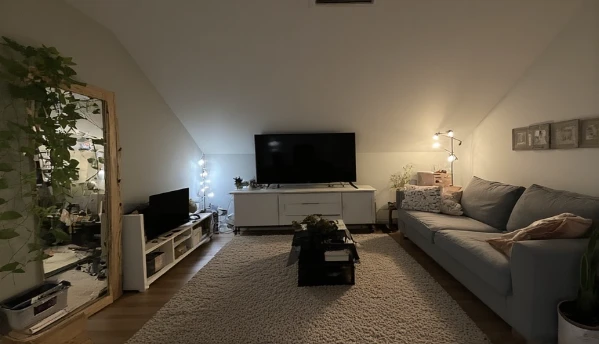
Reducing visual clutter lowers stress and improves focus. Small actions like organizing one surface or improving lighting can change how a space feels.
Comfort encourages consistency.
Supporting Posture and Movement
Simple adjustments to seating, screen height, and posture reduce physical strain. Awareness matters more than perfect ergonomics.
Comfortable bodies think more clearly.
Designing for Ease Instead of Discipline
When healthy choices are easy, they happen naturally. Placing water within reach, preparing food in advance, or keeping essentials visible reduces friction.
Lifestyle improvement succeeds when the environment works with you.
How to Stick With Realistic Lifestyle Improvement Ideas
Consistency grows from kindness, not pressure. Choose habits that feel manageable even on low-energy days.
Focus on progress, not streaks. Adjust when life changes. The goal is flexibility, not perfection.
Realistic lifestyle improvement ideas last because they evolve with you.
Mistakes to Avoid When Improving Your Lifestyle
Trying to change everything at once often leads to failure. Avoid copying routines that ignore the context.
Lifestyle improvement should feel supportive, not punishing.
Simplicity outperforms intensity.
Frequently Asked Questions
1.What are realistic lifestyle improvement ideas
They are small, sustainable changes that improve daily life without requiring extreme effort or major disruption.
2.How long does it take to see results
Many people notice benefits within days, while deeper changes develop over weeks through consistency.
3.Can lifestyle improvement be done without strict routines
Yes, flexible habits often last longer than rigid schedules.
4.Are small habits really effective
Small habits compound over time and often outperform short-term intensity.
5.How do I stay consistent
Choose habits that feel easy on difficult days and adjust expectations when needed.
Focus On Progress, Not Streaks
The most effective changes are often the smallest ones. These realistic lifestyle improvement ideas focus on habits that fit naturally into daily life.
By improving movement, sleep, mental clarity, productivity, and environment through small steps, you create lasting progress without burnout.
Lifestyle improvement is not about becoming someone else. It is about supporting who you already are.