



Can’t deny the fact that I used to believe my kitchen was clean enough until one evening I leaned against the counter and felt something sticky on my sleeve. That tiny moment was embarrassing and oddly motivating. I realized I struggled finding cleaning tips for a spotless kitchen.
Over time, I built realistic routines and systems that finally made my kitchen feel calm, hygienic, and inviting. This guide pulls together what actually works in everyday homes, not magazine sets, using practical cleaning tips for a spotless kitchen that don’t require hours of scrubbing.
Why Daily Habits Matter for a Truly Clean Kitchen
A spotless kitchen is not created during one intense weekend clean. It is built through small actions repeated daily. When mess is handled immediately, it never gets the chance to settle in and become overwhelming. Wiping spills as they happen and rinsing dishes right after use saves more time than people realize.
I noticed a major shift once I stopped postponing cleanup. My kitchen stayed fresher longer, odors disappeared, and weekly cleaning became faster. The goal is not perfection but prevention. When daily habits are in place, the kitchen almost maintains itself.
How a High-Efficiency Routine Keeps the Kitchen Under Control
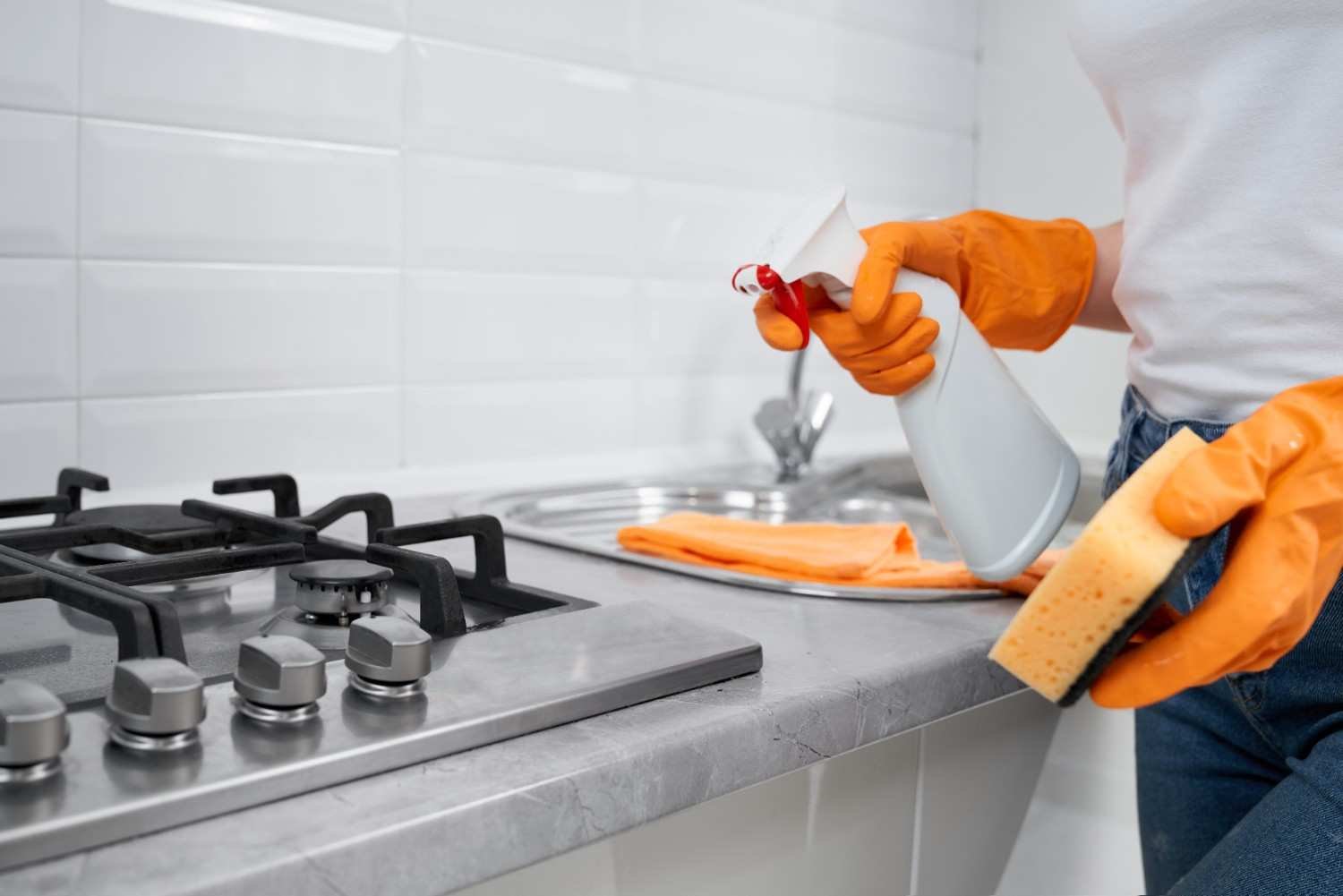
One of the most effective cleaning tips for a spotless kitchen is adopting a high-efficiency routine. Cleaning as you cook changes everything. Filling the sink with hot, soapy water at the start of meal prep lets you soak utensils and wipe splashes before they dry and harden.
Another powerful method is the top-to-bottom rule. Always start with high surfaces like cabinet tops, light fixtures, and the range hood. Dust and crumbs fall downward, so this sequence avoids double work. Finishing each night with a simple closing shift keeps grease and food smells from lingering overnight.
Why Clean-As-You-Go Habits Reduce Stress
Clean-as-you-go habits are not just about cleanliness. They reduce mental clutter too. When counters stay clear and dishes do not pile up, the kitchen feels manageable even on busy days. I found that cooking became more enjoyable once I stopped facing a mess afterward.
This approach also protects surfaces and appliances. Food residue does less damage when removed immediately. Over time, these habits extend the life of your kitchen materials while saving energy and frustration.
Why Deep Appliance Care Cannot Be Ignored
Many kitchens look clean on the surface but hide grime inside appliances. Deep appliance care is essential if you want consistent results. Microwaves collect food splatter that hardens quickly. Steam cleaning with water and lemon loosens residue so it wipes away easily.
Dishwashers also need attention. Running a monthly hot cycle with white vinegar removes mineral buildup and odors. Ovens benefit from baking soda paste applied overnight, which breaks down grease without harsh chemicals. Refrigerators stay fresher when shelves are cleaned with baking soda and warm water.
How Surface and Tool Maintenance Protects Hygiene
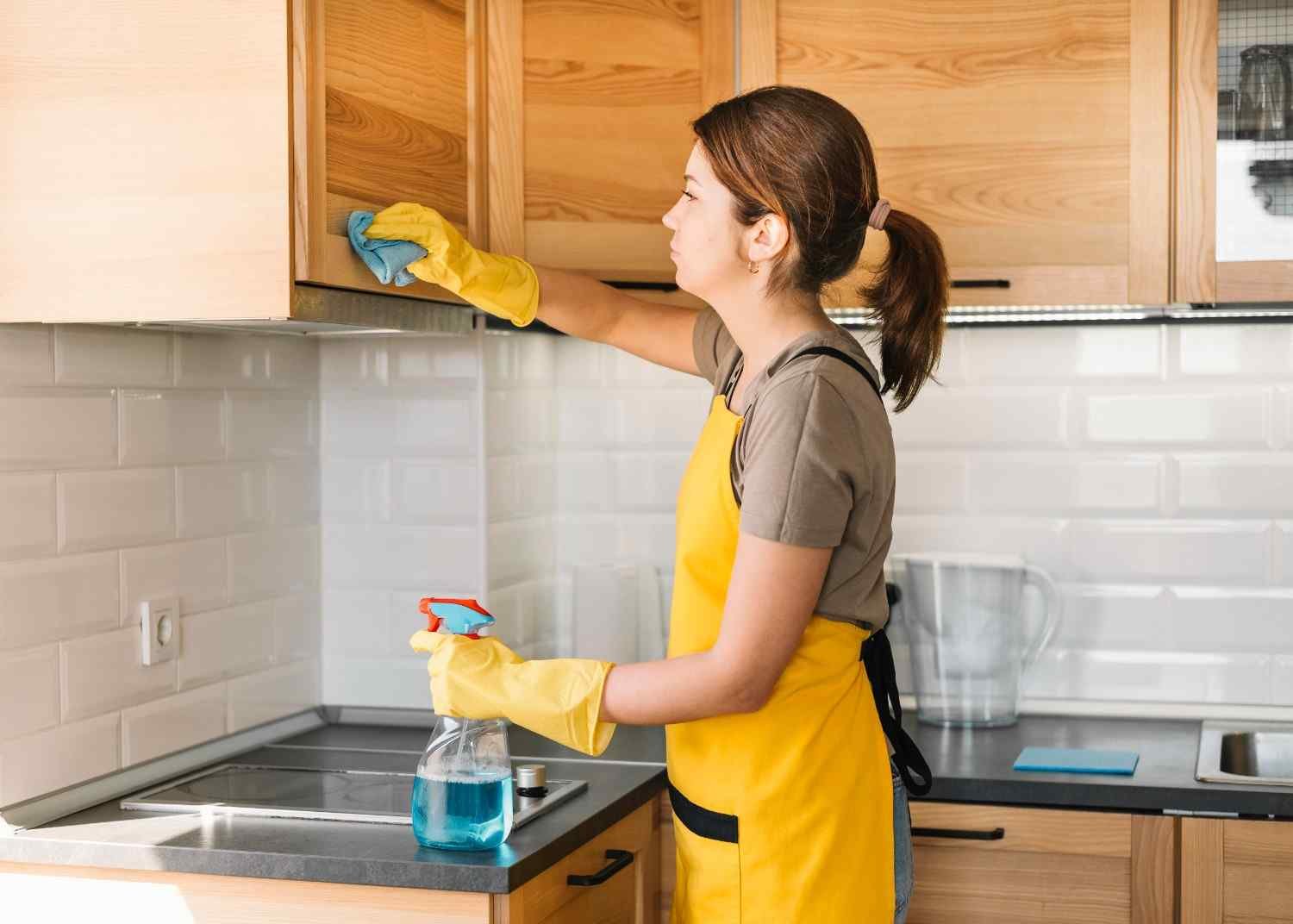
Surfaces and tools play a huge role in kitchen hygiene. The sink is often the most contaminated area, yet it is easy to maintain. Scrubbing daily with baking soda removes stains and reduces bacteria, especially when followed by a hot water rinse.
Cleaning tools need care too. Sponges and cloths collect germs quickly. Microwaving damp sponges for one minute or boiling them keeps bacteria under control. High-touch points such as cabinet handles, appliance buttons, and light switches should be wiped daily to prevent grease buildup.
How Organization Makes Cleaning Faster and Easier
Smart organization is one of the most overlooked cleaning tips for a spotless kitchen. Fewer items on counters mean fewer obstacles during wiping. Keeping only daily-use appliances visible instantly speeds up cleaning and improves visual calm.
A portable cleaning caddy is another game changer. When supplies are always within reach, tasks feel easier to start and finish. Preventive steps like lining trash bins with biodegradable liners or newspapers help control leaks and odors before they become problems.
How-To Apply Cleaning Tips for a Spotless Kitchen: Step by Step
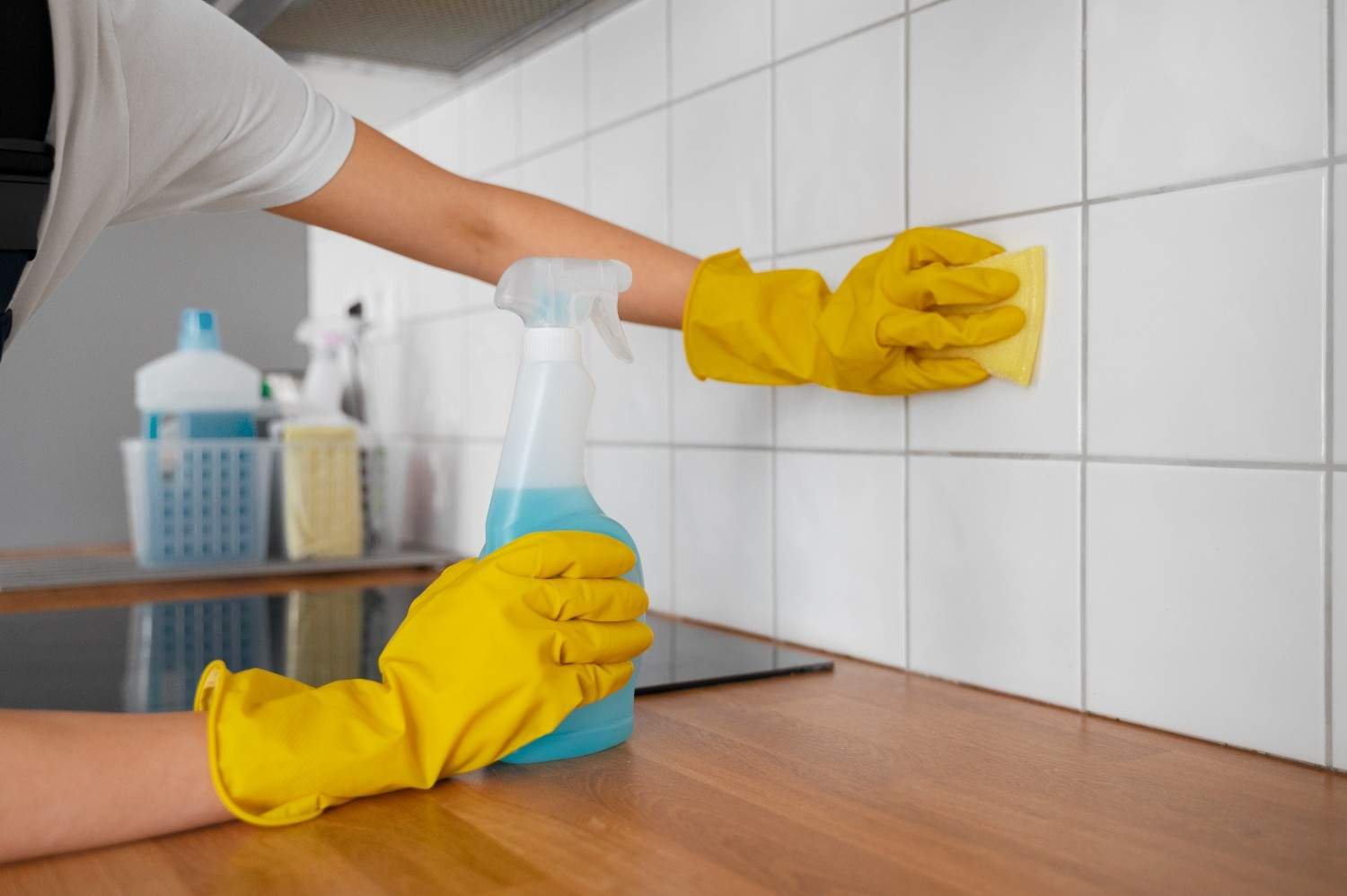
Step 1: Get set before you start cooking
Before you turn on the stove, fill the sink with hot, soapy water. This gives you a place to drop utensils as soon as you are done with them and makes wiping spills quick and effortless. Starting this way prevents food from drying and sticking to surfaces.
Step 2: Clean as you cook
As food cooks, rinse used utensils right away and return unused ingredients to their place. Wipe up splashes the moment they happen. These small actions keep clutter from spreading and stop mess from turning into buildup.
Step 3: Work from top to bottom after cooking
Once the meal is done, begin cleaning at the highest points. Dust upper cabinets, shelves, or the range hood first, then move down to counters and appliances. This order prevents dust and crumbs from undoing your work.
Step 4: Finish with sink and floors
After surfaces are clean, focus on the sink and floors. Wash any remaining dishes, scrub the sink quickly, and sweep or spot-clean the floor to remove crumbs and residue.
Step 5: End the day with a closing shift
Before bed, do a final reset by clearing dishes, wiping counters and the stovetop, and taking out the trash if needed. This short routine keeps odors away and sets up a clean kitchen for the next day.
Step 6: Rotate deeper cleaning tasks
Choose one appliance each week for deeper cleaning and tackle one cabinet or drawer each month. Spreading these tasks out keeps the kitchen consistently clean without feeling overwhelming.
How Busy Homes Can Still Stay Clean
Busy schedules do not mean a messy kitchen is unavoidable. Systems matter more than time. I learned to lower my expectations during hectic weeks and focus on priority areas. Clean counters, an empty sink, and no food left out became my non-negotiables.
When energy runs low, even five-minute resets help. A small effort prevents chaos the next day. Over time, these small wins build consistency and confidence.
Frequently Asked Questions
1. How often should I clean my kitchen to keep it spotless?
Daily light cleaning keeps mess from building and protects surfaces. Weekly appliance care maintains hygiene, while monthly deep cleaning prevents long-term buildup. This balance keeps the kitchen clean without exhaustion.
2. What is the fastest way to clean the kitchen before guests arrive?
Focus on what people notice first. Clear counters, empty the sink, wipe visible surfaces, and take out the trash. These steps transform the space quickly without a full deep clean.
3. Are natural cleaners effective for kitchen cleaning?
Natural solutions like baking soda and vinegar work well for most tasks when used consistently. They remove odors and grease safely. For heavy buildup, stronger cleaners may occasionally be necessary.
4. How can I maintain routines with kids or pets?
Tie cleaning to existing habits such as after meals or before bedtime. Keep supplies accessible and aim for consistency over perfection. Even partial routines make a noticeable difference.
Building a Kitchen That Feels Effortless
The best cleaning tips for a spotless kitchen are not about scrubbing harder. They are about working smarter. What changed everything for me was committing to small daily actions instead of waiting for motivation. The nightly reset became my favorite habit because it made mornings calmer and cooking more enjoyable. Start with one routine, build from there, and let your kitchen support your life instead of adding stress.