

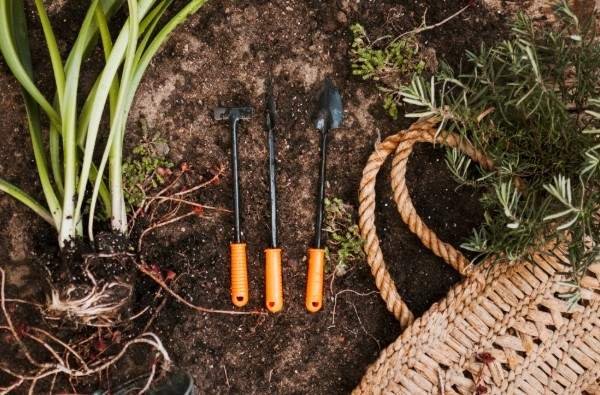
Sustainable landscaping has gained significant traction in recent years, with environmental concerns guiding the decisions of both professional landscapers and amateur gardeners alike. Eco-friendly landscaping is not just about choosing the right plants but also about the tools and equipment used to manage vegetation. This article highlights the importance of using innovative vegetation management equipment that aligns with the principles of sustainability.
Understanding the Basics of Sustainable Landscaping
Sustainable landscaping encompasses practices that reduce the negative impact on the environment while maintaining the natural aesthetics of outdoor spaces. The idea is to create ecosystems that are both functional and sustainable, requiring minimal resources like water, fertilizers, and energy for maintenance.
The Role of Vegetation Management in Sustainability
Vegetation management is a crucial element in the process of sustainable landscaping. It involves the selective removal of weeds, shrubs, and other undesired plants to promote a healthier environment for desired vegetation to thrive. Effective vegetation management can reduce the need for chemical herbicides, promote biodiversity, and enhance soil health.
Advancements in Vegetation Management Equipment
As sustainability concerns grow, manufacturers have responded by developing advanced equipment that is more eco-friendly. Modern vegetation management equipment is designed to be efficient, reducing time and energy expenditure, as well as minimizing the impact on the soil and surrounding ecosystems, perfectly aligned with work-life balance ideas for maximizing efficiency both at work and in nature.
One of the notable advancements in this field is the development of precision tools. These tools allow landscapers to target specific areas for treatment, thus avoiding broad-spectrum approaches that can be harmful to the environment. Precision equipment often employs cutting-edge technology like GPS and sensor-based monitoring to apply interventions only where necessary, reducing waste and protecting non-target plant species.
Electric and Battery-Powered Equipment
In an effort to reduce the carbon footprint associated with traditional gas-powered tools, there has been a surge in electric and battery-powered vegetation management equipment. These alternatives produce zero emissions at the point of use and operate with less noise, making them suitable for use in residential areas and noise-sensitive environments such as hospitals and schools.
Additionally, battery-powered equipment has the advantage of being more portable and easier to handle. With innovations in next generation batteries, these tools now have extended run-times and require less frequent charging, making them more practical for professional use.
Benefits of Eco-Friendly Equipment for Landscaping
The shift toward eco-friendly vegetation management equipment brings numerous benefits. Firstly, it reduces the environmental impact by limiting emissions and promoting cleaner air quality. Secondly, it supports the health of the soil by reducing soil compaction, which is often a side effect of heavy machinery.
Moreover, sustainable equipment often leads to cost savings in the long run. Reduced fuel consumption and fewer mechanical parts mean lower operation and maintenance costs, and thus a lower total cost of ownership, making it an essential part of minimal lifestyle tips for a more eco-friendly and budget-conscious approach.
Enhancing Biodiversity
Biodiversity is a key component of any sustainable landscape. Using the right equipment can support the growth of a diverse range of plants by efficiently managing competitive weed species without harming the surrounding flora and fauna.
Modern vegetation management equipment often comes with adjustable settings and attachments that can cater to a variety of landscapes and plant types, ensuring that the natural harmony of the ecosystem is maintained.
Education and Training in Eco-Friendly Practices
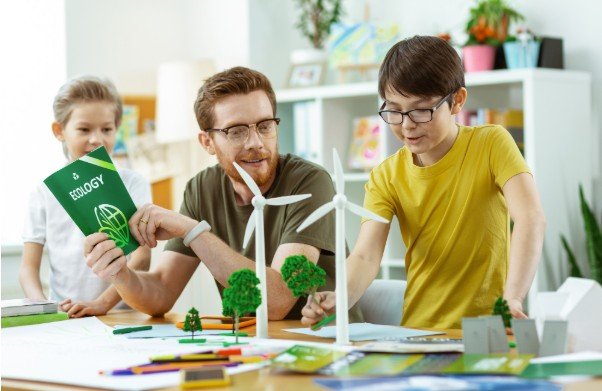
Beyond the equipment itself, education and training play a critical role in effective sustainable landscaping. Professionals and homeowners alike must be versed in the best practices for using these tools in an environmentally conscious manner. Understanding the intricacies of the equipment’s operations can maximise its efficiency and sustainability benefits.
Additionally, proper training ensures safety and proficiency in handling these innovative tools, further cementing the role of sustainable equipment in modern landscaping.
Looking to the Future of Landscaping
The landscape of vegetation management is continuously evolving, with new technologies emerging to support the cause of sustainability. Robotics, artificial intelligence, and autonomous machinery are potential game-changers that could further advance eco-friendly landscaping practices.
Futuristic equipment may offer features such as real-time monitoring and analysis, enabling more intelligent decision-making and adaptive responses to the needs of the landscape without the need for human intervention, reflecting mindful living ideas by fostering a more conscious and efficient approach to managing both technology and nature.
Embracing Eco-Friendly Solutions
As we face growing environmental challenges, the adoption of eco-friendly vegetation management equipment becomes not just a trend, but a necessity. Landscapers and gardeners must embrace sustainable technologies to preserve the earth’s resources and ensure the longevity of the landscapes under their care.
The revolution in sustainable landscaping equipment is here, and its continued growth and acceptance are pivotal in shaping the way we manage our outdoor spaces. It is our duty to ensure that the methods we employ are in harmony with the planet we inhabit.
Taking the time to select the right tools, educate on their use, and apply them in an ecologically responsible manner is the cornerstone of sustainable landscape management. The era of innovative vegetation management equipment is paving the way for a greener, eco-friendlier future in landscaping practices.
