
I’ll admit it. There was a time I believed creativity only showed up when it felt like it. If I wasn’t inspired, I assumed I was stuck. That mindset changed the day I seriously explored how to improve creativity after hitting a mental wall while juggling work, travel plans, and everyday routines.
What I discovered is freeing. Creativity is not a rare talent or luck. It is a skill you build through small, intentional habits that train your brain to think differently.
Once I stopped waiting for inspiration and started shaping my environment and routines, ideas showed up more often. This guide blends research-backed methods with real-life habits you can use at home, at work, or while exploring new places.
How to Improve Creativity by Mastering Your Environment
Your surroundings play a bigger role in creative thinking than most people realize.
Why Clutter and Noise Block Creative Thinking
When your space feels cluttered or noisy, your brain stays locked in task mode instead of idea mode. Reducing distractions helps your mind shift into divergent thinking, which is essential for creativity and original ideas.
How Natural Light and Nature Boost Creativity
Natural light and outdoor exposure improve cognitive flexibility. Working near sunlight or stepping outside, even briefly, can refresh your thinking, improve focus, and spark new creative ideas.
How Sensory Stimulation Unlocks New Ideas
New sounds, scents, and visuals encourage unexpected mental connections. Listening to unfamiliar music, changing your environment, or visiting a museum can trigger creative insights without pressure to perform.
How to Improve Creativity Through Proven Creative Exercises
Creative exercises train your brain the same way workouts train your body.

Snowflake Method for Structured Creative Thinking
The Snowflake Method starts with one simple idea and gradually builds layers of detail. This step-by-step expansion keeps your mind focused and prevents creative overwhelm while encouraging deeper more organized thinking.
Brainwriting to Unlock More Ideas
Brainwriting involves writing ideas privately before sharing them. This reduces self-judgment, increases idea output, and works especially well for people who feel stuck during traditional brainstorming.
Using Constraints to Spark Creativity
Creative limits like time, budget, or resources push your brain toward unconventional solutions. Exercises such as the Alternative Uses Test train mental flexibility by helping you see ordinary objects in new, creative ways.
How to Improve Creativity by Changing Your Daily Habits
Creativity thrives when your brain has space to wander.

Why unstructured time fuels creative thinking
Creativity thrives when your brain has room to wander. Scheduling unstructured time allows ideas to form naturally instead of being forced. Boredom often sparks original thinking because your mind begins seeking new mental stimulation.
Why capturing ideas immediately matters
Ideas are fleeting. Keeping a notebook or digital recorder helps preserve thoughts before they disappear. Many creative breakthroughs fail simply because they were never captured in the moment they appeared.
How new learning and movement boost creativity
Exploring topics outside your usual interests creates cross-pollination between ideas. Physical movement also helps. Walking, light exercise, or even showering allows your subconscious to process ideas while your conscious mind relaxes.
How to Improve Creativity Using Psychological Techniques
A growth mindset is foundational for creativity.
Why treating mistakes as data fuels creativity
Viewing mistakes as information instead of failure reduces fear and builds creative confidence. When experimentation feels safe, you take more risks, and creative progress naturally follows through trial and error rather than perfection.
How mindfulness supports creative awareness
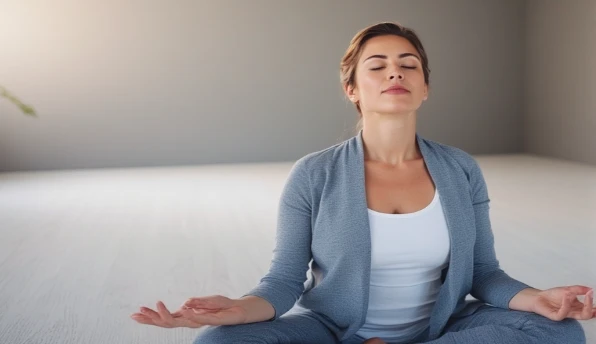
Mindfulness helps quiet overthinking and mental noise. Staying present allows you to notice subtle ideas, patterns, and insights that often disappear when your mind is rushing or overanalyzing.
Why routine matters more than inspiration
Routine creates creative endurance. Professional creators show up consistently instead of waiting to feel inspired. When creativity becomes part of your daily lifestyle, ideas flow more reliably and feel less forced.
How to Improve Creativity Step by Step in Daily Life

- Choose a specific time each day for creative work and keep it short so it feels easy to maintain
- Show up consistently to train your brain to shift into creative mode faster
- Prepare your space by reducing distractions or slightly changing your location
- Add a sensory cue like music, light, or scent to signal creative time
- Create without editing or judging your ideas as they appear
- Let unfinished or imperfect ideas flow freely
- Save one idea from each session to build creative confidence and creative momentum
Frequently Asked Questions
1. Can anyone learn to improve their creativity or is it natural talent?
Creativity is not fixed at birth. Research and real-world experience show it can be developed through practice, environment, and mindset. While some people start with creative confidence, anyone can strengthen creative thinking by using exercises, routines, and exposure to new experiences consistently.
2. How long does it take to see results when learning how to improve creativity?
Small improvements often appear within one to two weeks of consistent practice. Bigger changes happen over months as habits take hold. Creativity grows gradually, so patience and repetition matter more than speed.
3. Does learning how to improve creativity help in everyday life?
Yes. Creativity improves problem-solving, adaptability, and communication. It helps you find better solutions at work, plan smarter travel, and approach daily challenges with flexibility and confidence.
4. What should I do when trying to improve creativity feels impossible?
When creativity feels blocked, stop forcing output and change your input. Move your body, rest, or engage with something new. Giving your brain space often allows ideas to surface naturally.
How to Improve Creativity Without Waiting for Inspiration
Here is the honest truth. Creativity does not vanish. It gets pushed aside by stress, routine, and constant pressure. When I stopped waiting to feel inspired and focused on how to improve creativity through small daily habits, everything shifted. Ideas showed up more often, and creating felt lighter instead of forced.
My biggest takeaway is simple. Make creativity feel safe and consistent. Show up even when things feel messy. Protect your space, your time, and your attention. Let curiosity guide you instead of perfection. When you do that, creativity stops feeling rare and starts becoming a natural, reliable part of everyday life.