

is In a world driven by speed, productivity, and constant stimulation, many people feel disconnected from themselves and their surroundings. Notifications compete for attention, routines become automatic, and moments pass unnoticed. This is where mindful living ideas offer a powerful alternative.
Mindful living is not about escaping daily life but about fully inhabiting it—breathing, walking, eating, working, and resting with awareness and care. Mindfulness invites us to return home to the present moment. It teaches us to reconnect the mind and body, to experience life as it unfolds rather than rushing through it.
By integrating mindful living ideas into everyday routines, we cultivate clarity, calmness, and a deeper sense of meaning without adding extra tasks to our schedule.
What Is Mindful Living?
Mindful living is the practice of bringing full attention to the present moment with openness and without judgment. It involves becoming aware of what is happening within us—our breath, body, emotions, and thoughts—as well as what is happening around us.
Rather than living on autopilot, mindful living encourages consciousness if we participate in life. It is not limited to meditation cushions or quiet rooms. Mindfulness can be practiced while brushing teeth, washing dishes, walking to work, listening to others, or simply resting.
At its core, mindful living is about being rather than constantly doing. When the mind returns to the body and the present moment, we generate an energy of awareness that nourishes peace, stability, and joy.
Why Mindful Living Matters in Modern Life

Modern lifestyles often prioritize speed and efficiency over presence. While technology has increased convenience, it has also increased distraction, stress, and mental fatigue. Mindful living ideas help counterbalance this by creating space between stimulus and reaction.
When practiced regularly, mindful living can:
- Reduce stress and anxiety
- Improve emotional regulation
- Strengthen concentration and clarity
- Enhance physical awareness and relaxation
- Deepen relationships through attentive communication
- Foster gratitude and contentment
Mindfulness does not remove challenges from life, but it changes how we relate to them. With awareness, we respond rather than react.
Foundational Mindful Living Ideas
Mindful Breathing
Mindful breathing is the simplest and most accessible starting point. The breath is always present, making it a reliable anchor to the here and now.
Take short “breath breaks” throughout the day. Sit comfortably, close your eyes if possible, and bring attention to the natural flow of the breath. Notice the sensation of air entering and leaving the body. There is no need to control or change the breath—simply observe it as it is.
Even one to five minutes of mindful breathing can calm the nervous system and restore balance. When the mind drifts to worries about the past or future, gently return attention to the breath.
Body Scan Awareness
The body scan is a powerful way to reconnect with the physical body and release accumulated tension. This practice involves systematically bringing awareness to different parts of the body, usually from the toes to the head.
Lying down or sitting comfortably, gently notice sensations in each area—warmth, tightness, relaxation, or discomfort—without trying to fix anything. Awareness itself allows the body to soften and release tension.
Regular body scans increase physical awareness and help identify stress before it becomes overwhelming.
Starting the Day With Intention
Beginning the day with intention sets the tone for how we meet life’s experiences. Before starting daily activities, take a few conscious breaths and reflect inwardly.
Ask yourself what quality of mind you wish to cultivate—patience, kindness, clarity, or presence. Choose one simple intention and carry it gently throughout the day. The intention is not a rule but a reminder of how you wish to show up.
Practicing Gratitude
Gratitude shifts attention from what is lacking to what is already present. This practice can be done at the beginning or end of the day.
Take a moment to reflect on a few things you are grateful for—small or large. This could include supportive relationships, moments of peace, nourishment, or simple comforts. Over time, gratitude reshapes perception, helping cultivate contentment and appreciation for everyday life.
Everyday Activities as Mindfulness Practice

Mindful Eating
Eating is an ideal opportunity to practice mindful living ideas. Instead of rushing meals or eating while distracted, mindful eating invites full engagement with the experience of nourishment.
Remove distractions such as phones or television. Notice the colors, textures, smells, and flavors of food. Eat slowly, chew thoroughly, and pay attention to the body’s hunger and fullness signals.
Mindful eating fosters a healthier relationship with food and increases enjoyment while reducing unconscious overeating.
Mindful Walking
Walking meditation transforms an ordinary activity into a grounding practice. Wherever you walk—indoors or outdoors—bring awareness to each step.
Notice the sensation of the feet touching the ground, the rhythm of movement, and the coordination between breath and steps. Allow the surroundings to enter awareness without judgment. th cultivates stability, presence, and a sense of arrival in the present moment.
Mindful Movement
Mindful movement can be practiced through exercise, stretching, gardening, or any physical activity. The key is to coordinate breath with movement and remain attentive to bodily sensations.
Rather than pushing the body mechanically, listen to its signals. Feel muscles engaging and releasing. This approach enhances physical well-being to prevent sprains and strains.
Mindful Chores
Routine tasks such as washing dishes or brushing teeth often feel mundane, yet they can become anchors to the present moment.
Bring full attention to sensory experiences—the temperature of water, the movement of hands, the scent of soap. When the mind wanders, gently return to the task. Mindful chores transform everyday obligations into moments of calm and awareness.
Mindful Interactions and Communication

This practice deepens understanding and strengthens relationships.
Mindful Listening and Speaking
When listening, give complete attention without interrupting, judging, or planning a response. Mindful communication involves being fully present with others.
When speaking, notice tone, pace, and intention. Speak with awareness of how words may affect others.
Creating Mindful Pauses
Intentional pauses help interrupt habitual reactions. Simple cues can serve as reminders to pause and breathe before responding.
For example, before answering a phone call or replying to a message, take one conscious breath. These small pauses create space for clarity and thoughtful response.
Mindful Use of Technology
Constant digital engagement fragments attention. Designating device-free times or spaces supports mindful living.
Turn off non-essential notifications and create boundaries around screen use. This allows the mind to rest and fosters deeper engagement with present experiences.
Cultivating a Mindful Home Environment
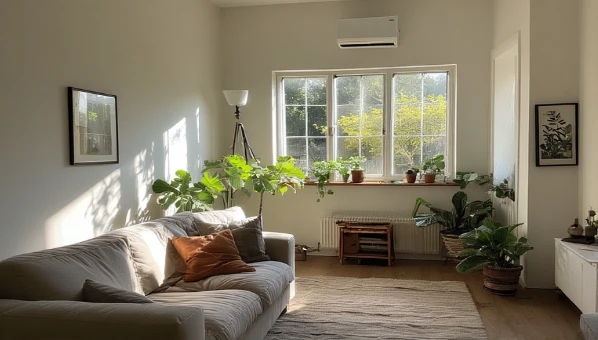
The physical environment influences mental states. A mindful home supports ease, clarity, and presence.
Arrange furniture to allow smooth movement. Keep spaces uncluttered. Introduce natural elements such as plants or soft lighting. Meaningful objects can serve as visual reminders to return attention to the present moment.
A mindful environment does not require perfection—only intentional simplicity.
Rest as a Mindfulness Practice
Rest is an essential yet often neglected aspect of mindful living. True rest allows healing and renewal to occur.
Mindful rest may include lying down, practicing guided relaxation, or simply doing nothing without guilt. Bringing awareness to the body during rest enhances relaxation and creativity. Even a few minutes of conscious rest can restore energy and clarity, especially during demanding days.
Living Mindfully in Community
Practicing mindfulness with others amplifies its effects. Shared silence, movement, or reflection generates a collective energy that supports healing and transformation.
Whether through family routines, group practices, or shared meals, mindful living strengthens connection and fosters compassion.
Common Challenges in Mindful Living
Mindfulness is simple but not always easy. Common challenges include restlessness, impatience, and inconsistency.
Rather than striving for perfection, approach practice with gentleness. Mindful living is not about eliminating thoughts or emotions but about relating to them with awareness and kindness. Small, consistent practices are more effective than occasional long sessions.
Frequently Asked Questions
1.What are mindful living ideas?
Mindful living ideas are practical ways to bring awareness, presence, and intention into everyday activities such as breathing, walking, eating, working, and resting.
2.Do I need meditation experience to live mindfully?
No. Mindful living does not require formal meditation experience. Awareness can be practiced in daily activities without special equipment or settings.
3.How much time does mindful living require?
Mindful living does not require extra time. It involves bringing awareness to activities you already do, even for a few moments at a time.
4.Can mindful living reduce stress?
Yes. Regular mindfulness practices calm the nervous system, improve emotional regulation, and reduce stress and anxiety over time.
5.Is mindful living a spiritual practice?
Mindful living can be practiced by anyone regardless of beliefs. It is a human skill focused on awareness and presence rather than doctrine.
Mindful Living Transforms Everyday Obligations Into Calm Moments
Mindful living is an art of returning—again and again—to the present moment. By integrating mindful living ideas into daily routines, we learn to live with greater clarity, peace, and compassion. Whether through mindful breathing, walking, eating, or resting, each moment becomes an opportunity to touch life deeply.
Mindfulness does not demand perfection or withdrawal from the world. It invites us to meet life as it is, with openness and care. Through gentle, consistent practice, mindful living ideas transform not only how we experience ourselves but how we relate to others and the world around us.