


I still remember the first time I brought a tray of gluten-free desserts to a party and said absolutely nothing about it. I expected polite smiles and leftovers. Instead, the platter came back empty and someone asked if I would share the recipe. That moment shifted everything for me. What I once saw as a limitation suddenly felt like a quiet advantage.
If you are new to baking without wheat or just exploring better options for friends and family, you are not alone. Many familiar sweets already fit this style of baking or need only minor adjustments. Once you learn which treats naturally work and how to adapt classics, the process becomes relaxed and even fun.
Why Baking Without Wheat Is Easier Than You Think
Once you recognize this, a whole category of gluten-free desserts opens up instantly. These recipes are often forgiving and ideal for beginners because they rely more on technique than precision flour ratios.
Many Desserts Never Needed Flour
One of the biggest misconceptions is that baking this way requires expensive ingredients or advanced skills. In reality, some of the most loved desserts never relied on wheat flour in the first place. Custards, puddings, mousses, and meringues have always depended on eggs, dairy, or sugar for structure.
Awareness Makes All the Difference
The real learning curve is not baking itself but knowing where gluten hides. Cross-contamination, thickening agents, and pre-made mixes are the usual culprits. Once you develop awareness around labels and preparation surfaces, the rest becomes surprisingly straightforward.
Naturally Flourless Desserts That Always Work
These desserts also hold well in the fridge making them perfect for entertaining or preparing ahead without stress.
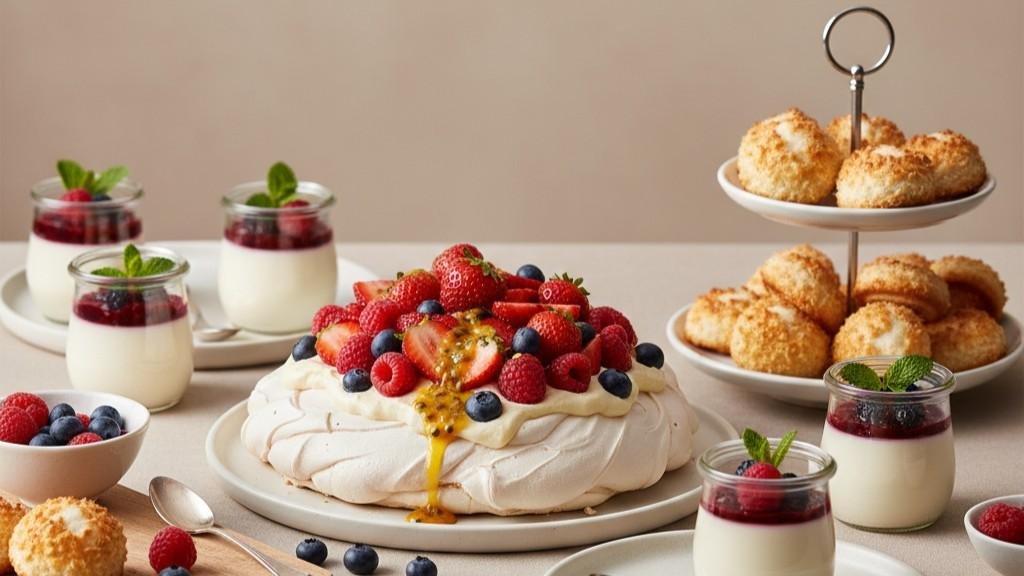
Custards and Creamy Classics
Desserts that are set through eggs or starch are some of the most dependable options. Crème brûlée, flan, panna cotta, and rice pudding are smooth, comforting, and elegant without feeling intimidating. Their structure comes from gentle cooking rather than flour, which makes them reliable even for first-time bakers.
Why Beginners Love These Recipes
Because texture comes from temperature and timing, these recipes reward patience more than perfection. Once you learn to control heat and cooling, the results feel consistent and confidence-building.
Meringue and Chocolate Based Favorites
These desserts often look far more complex than they actually are, making them ideal for special occasions.
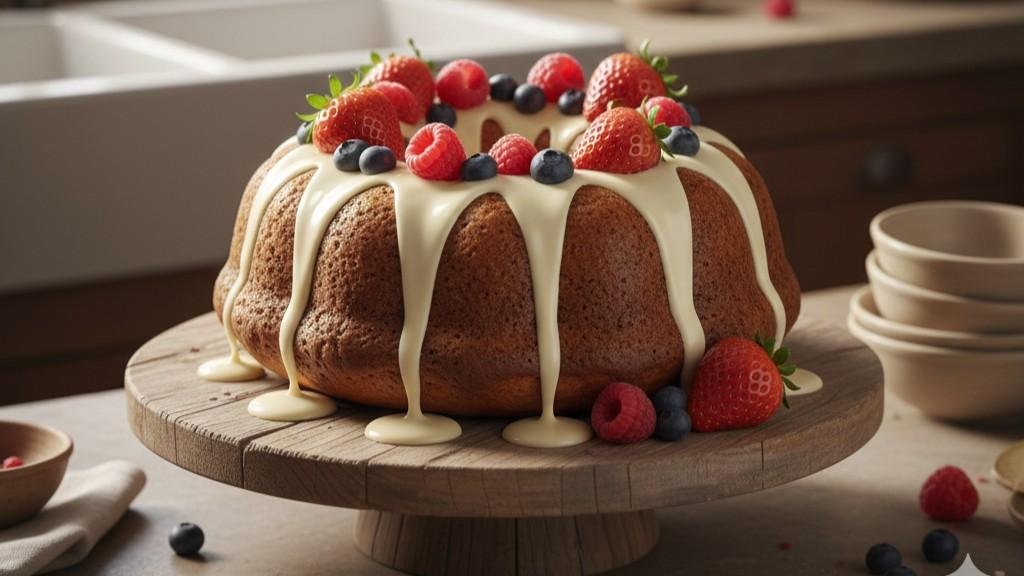
Light, Airy, and Naturally Structured
Meringue-based treats are a gift to home bakers. Pavlova and French macarons use egg whites, sugar, and almond flour to create light textures that feel impressive without being overly complicated. They rely on simple chemistry rather than guesswork.
Chocolate Desserts That Never Miss
Chocolate shines in flourless form. Pure chocolate bars, classic mousse, and fruit-based mousses are rich, satisfying, and naturally safe when made carefully. Coconut macaroons, fudge, and Turkish delight made with cornstarch add variety without introducing complexity.
A dessert table built around chocolate rarely feels like a compromise.
Adapting Traditional Baked Goods
These desserts often surprise people in the best way.
Flour Blends That Simplify Baking
Many classic baked recipes adapt well with one-to-one gluten-free flour blends. These blends are designed to mimic the structure of traditional flour, making them approachable for everyday baking.
Using blends helps eliminate guesswork and allows you to focus on flavor and texture rather than ratios.
Flourless Cakes With Big Flavor
Cakes made with eggs and nuts instead of grain often feel richer and more indulgent. Flourless chocolate cake and pistachio cakes topped with meringue develop deep flavor and moist texture that rivals traditional versions.
Cookies and Fruit-Forward Treats
Familiar cookies that always please because cookies rely on fat and sugar more than flour. They transition smoothly into wheat-free versions.
Cookies are one of the easiest categories to adapt to. Peanut butter oatmeal cookies and almond flour amaretti cookies bake evenly and hold their shape well. Their familiar flavors make them a hit even with skeptical eaters.
Lighter Fruit-Based Options
Fruit desserts offer balance when you want something less rich. Apple crisp made with gluten-free toppings or grilled peaches finished with honey and spice focus on flavor rather than structure.
These recipes are forgiving and easy to customize. They also work well year-round with seasonal produce.
Celebration-Worthy Favorites for 2025
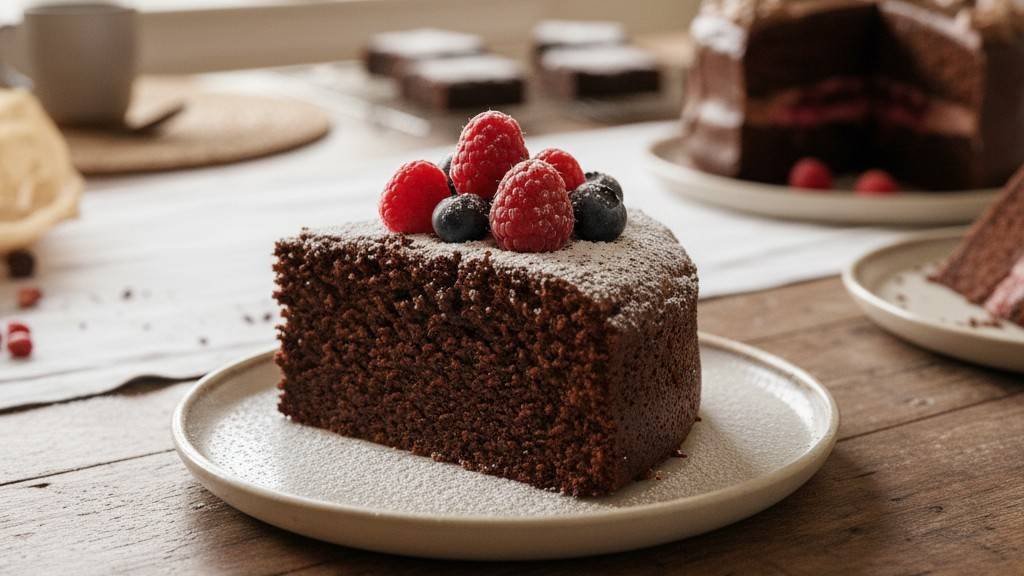
Tres leches cake adapted with alternative flours absorbs liquid beautifully, resulting in a soft and pillowy texture. Swiss rolls filled with berries and cream or Bundt cakes topped with white chocolate and fresh fruit are gaining popularity because they combine visual appeal with reliable techniques.
They balance presentation and practicality. These are the kinds of desserts people remember long after the event ends.
How to Bake With Confidence and Less Stress
Remember, patience is often the secret ingredient.
Start With Structure-Friendly Recipes
- Begin with desserts that rely on eggs, dairy, or nuts rather than flour for stability.
- Read the recipe fully before starting and measure carefully, especially when using flour substitutes.
- Precision early on saves frustration later.
Timing, Rest, and Cooling Matter
- Allow batters to rest so alternative flours hydrate properly.
- Bake gently and resist the urge to overbake, as moisture evaporates faster without wheat.
- Cooling fully before slicing helps desserts set and hold together.
Common Pitfalls and How to Avoid Them
One common mistake is expecting these desserts to behave exactly like traditional versions. Slightly different textures and bake times are normal and expected.
- Learning visual cues instead of relying solely on time leads to better results.
- Skipping rest time or swapping flours without adjusting liquids often causes dryness or crumbling.
- Respecting these differences makes baking predictable and enjoyable.
Frequently Asked Questions
1. Are these desserts safe for people with celiac disease?
They can be when ingredients are certified and cross-contamination is avoided. Clean tools, pans, and work surfaces matter greatly. Most people appreciate transparency and care more than perfection.
2. Do they taste different from traditional desserts?
When prepared correctly, most people cannot tell the difference. Texture may vary slightly, but flavor often shines even more because ingredients are chosen intentionally.
3. Can beginners succeed with these recipes?
Absolutely. Custards, flourless cakes, and chocolate-based desserts are excellent entry points. Early success builds confidence quickly.
4. Are these desserts healthier by default?
Not necessarily. They are still desserts. However, they can be easier to digest for some people and encourage more mindful ingredient choices.
Why These Gluten-Free Desserts Belong on Every Table
Baking without wheat is no longer niche or intimidating. It is creative, inclusive, and surprisingly flexible. Once you master a few gluten-free desserts recipes, they become some of the most reliable desserts you make.
My best advice is simple. Master one recipe you truly love and build from there. Confidence grows quickly, and soon you will serve desserts no one realizes are different until you say so. That moment never stops feeling good.
