

The first time I tried learning a new language I was wildly overconfident. I downloaded three apps, bought a grammar book I never opened, and promised myself I would practice every single day. By week two, I felt overwhelmed, behind, and quietly annoyed at myself. That moment taught me something important.
The problem was not motivation or intelligence. It was approach. Once I stopped chasing perfection and started building realistic habits, progress finally felt possible and even fun.
Learning a New Language Begins With Clear Goals
One of the biggest mistakes people make with learning a new language is skipping the why. When you define your reason, whether it is travel, career growth, or personal curiosity, every decision becomes easier. You know what vocabulary matters, what skills to prioritize, and what progress actually looks like.
Clear goals also protect your motivation. On days when energy is low, your reason reminds you why showing up still matters. Learning feels purposeful instead of forced, which keeps consistency intact over time.
It Gets Easier When You Start Small
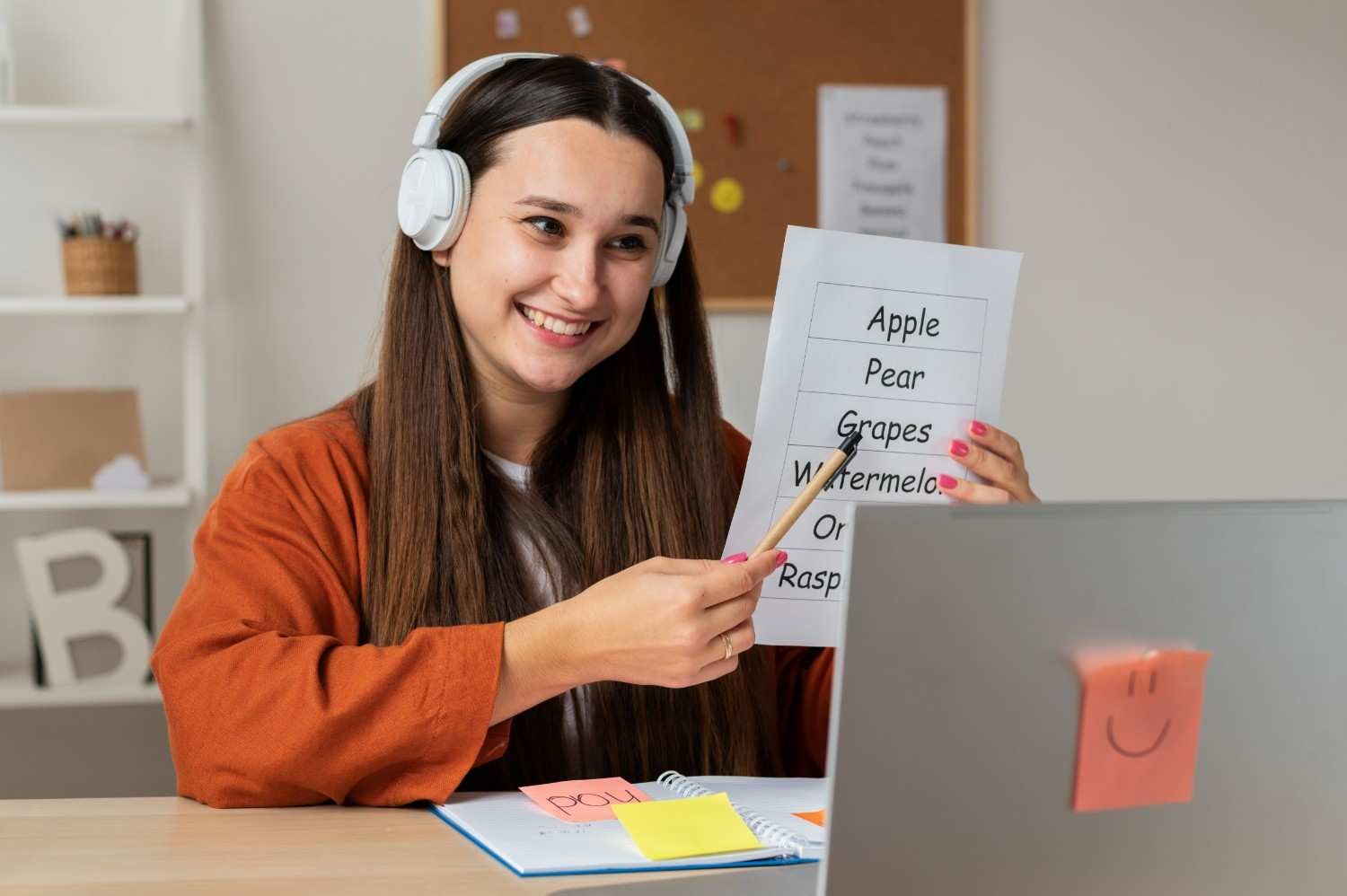
Trying to learn everything at once is the fastest way to quit. When learning a new language, focusing on the alphabet, pronunciation, and common words creates early wins. Those small wins build confidence and reduce the fear of making mistakes.
A strong foundation allows your brain to recognize patterns naturally. Grammar and sentence structure begin to make sense because you already understand the building blocks. This makes progress feel steady instead of overwhelming.
Learning a New Language Thrives on Daily Consistency
Consistency matters more than natural ability when learning a new language. Short daily sessions create stronger memory connections than long study marathons. Even thirty focused minutes a day can produce noticeable results within weeks.
Daily habits also remove pressure. When practice becomes routine, it no longer feels like a chore. Language exposure blends into your lifestyle, which makes long-term progress realistic and sustainable.
Core Strategies That Support Learning a New Language
Smart exposure tips for faster progress:

Choose content just above your level
Listen to podcasts, read short articles, or watch videos with subtitles that stretch you slightly without overwhelming you. This keeps your brain challenged but comfortable.
Balance input with output
Don’t just consume. Start speaking and writing early, even if it feels messy. Turning understanding into action builds real skill faster.
Redefine mistakes as progress
Errors are not setbacks. They are signals that your brain is actively learning, adjusting, and improving with every attempt.
Tools That Help Learning a New Language Stay Simple
Technology can support learning new languages when used intentionally. Apps like Duolingo and Babbel are excellent for building small daily habits through short, structured lessons. For deeper immersion, platforms such as LingQ allow you to learn directly from real articles and books. Live conversation tools like italki help you practice speaking in a supportive environment.
Practical Immersion Tips for Learning a New Language
Easy daily immersion tips that actually work:

Switch your digital environment
Change your phone, apps, and social media to the target language. This creates passive exposure all day without adding extra study time.
Use shadowing for pronunciation
Play short audio clips and repeat them immediately. Copy the speaker’s rhythm and tone to improve pronunciation naturally.
Practice in low-pressure settings
Talk with a study partner, join casual language meetups, or practice short conversations where mistakes feel safe. Confidence grows faster when there is no judgment.
What Actually Works When Learning a New Language Long-Term?
High-performing language tutors all agree on one thing: daily exposure matters more than marathon study sessions. Ten focused minutes every day does more for your brain than two exhausting hours once a week.
Long-term learners also get tired of chasing perfection. They speak before they feel ready, make mistakes publicly, and let their skills grow unevenly. Vocabulary might improve before grammar, or listening before speaking. That’s normal.
How To Build a Routine for Learning a New Language
A step by step approach that fits real life

Step 1: Pick one daily non-negotiable
Choose a tiny commitment you can keep even on your busiest day. Keep it simple, like 10 minutes, so you build consistency without stress.
Step 2: Attach it to something you already do
Slide language time into an existing routine. Listen during your commute, read a short page before bed, or review a few words while you drink coffee.
Step 3: Start with understanding first
Spend the early days focusing on listening and reading. Let your brain get used to the sounds and patterns before you pressure yourself to speak perfectly.
Step 4: Add speaking in small, low-pressure moments
Start talking to yourself out loud, repeat short phrases, or record quick voice notes. Then move into short conversations when you feel ready.
Step 5: Track exposure, not perfection
Measure how often you showed up, not how flawless you sounded. If you touched the language today, you moved forward.
Frequently Asked Questions
1. How long does learning a new language realistically take?
Learning a new language varies based on consistency and exposure. Most learners notice basic comprehension within a few months of daily practice. Conversational comfort often develops within six to twelve months when habits stay steady.
2. Can adults succeed at learning a new language?
Adults are fully capable of learning a new language. They often progress faster early on because they understand structure and patterns. Age is not a limitation when habits and mindset are strong.
3. Should grammar or vocabulary come first when learning a new language?
Vocabulary usually comes first when learning a new language. Words create meaning and motivation. Grammar becomes easier to understand once you see patterns in real sentences rather than isolated rules.
4. How do I stay motivated while learning a new language?
Motivation improves when learning a new language connects to daily life. Use it for entertainment, hobbies, or casual conversations. When language supports your lifestyle, motivation follows naturally.
Learning a New Language Without Burning Out
Learning a new language is not about perfection or pressure. It is about patience, daily exposure, and flexibility. Once you stop chasing fluency and start enjoying progress, learning becomes lighter and more rewarding.
My best advice is to let the process stay human. Keep it imperfect, consistent, and enjoyable. That is how real confidence and long-term fluency grow.