


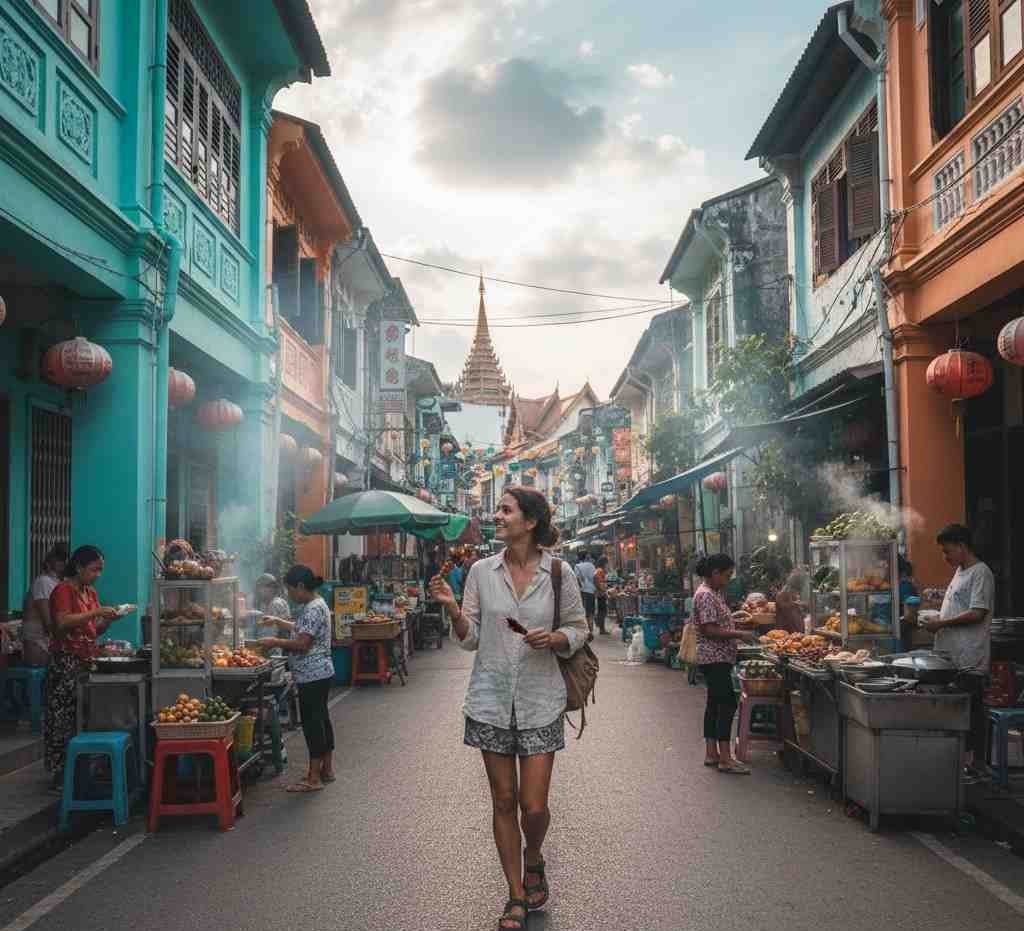
I still laugh when I think about the first time I accidentally became good at finding budget places to travel. I was sitting in a small café abroad, checking my bank app, and realized my daily expenses were lower than a normal day back home. That moment completely changed how I looked at travel.
Instead of chasing expensive destinations and flashy hotels, I started choosing places where my money worked harder and my days felt fuller. This blog blends real experience, smart planning, and practical habits to help you travel more often, stress less, and actually enjoy the journey.
Why Do Budget Places to Travel Often Feel More Rewarding?
Expensive destinations tend to come with pressure. You feel the need to do everything, see everything, and justify every dollar spent. In contrast, budget-friendly destinations create space. When food, transport, and lodging cost less, decisions feel lighter and more spontaneous.
I notice that I explore more deeply in affordable places. I wander neighborhoods instead of rushing between paid attractions. I sit longer in cafés. I talk to locals without feeling like time equals money. These small moments often become the highlights of the trip, and they rarely cost anything at all.
Another reason these destinations feel richer is connection. Affordable regions usually attract travelers who value culture over luxury. That shared mindset creates a more relaxed, human experience that sticks with you long after the trip ends.
What Makes Southeast Asia One of the Best Budget Places to Travel?

Southeast Asia consistently ranks as one of the strongest regions for travelers watching their spending. Daily costs stay low, yet the experiences never feel basic. Street food is affordable and full of flavor, public transport works well, and accommodation options range from simple guesthouses to comfortable budget hotels.
Vietnam stands out for its mix of value and variety. Daily budgets often fall between $25 and $35, making it easy to explore historic cities, scenic landscapes, and enjoy legendary street food without stress. Laos offers a slower pace and even lower costs, ideal for travelers who enjoy quiet towns and nature. Cambodia adds rich cultural depth, with everyday expenses that remain accessible even near major landmarks.
Thailand rounds out the region with strong infrastructure and reliable affordability. It suits both first-time travelers and experienced explorers who want comfort without overspending. Together, these destinations make Southeast Asia a go-to region for long, rewarding trips on a realistic budget.
Why Are South American Destinations Ideal Budget Places to Travel?
South America offers incredible diversity at prices that feel approachable for US travelers. The continent blends dramatic landscapes, vibrant culture, and low daily expenses, especially when you travel at a relaxed pace.
Bolivia often surprises people with how affordable it is. Daily costs can fall between $20 and $35 when you rely on local transport and simple accommodations. Ecuador makes budgeting easier by using the US dollar, which removes currency confusion and keeps spending predictable.
Peru sits slightly higher in cost but still offers strong value for everyday expenses. Food and transport remain affordable, though major attractions require planning. When balanced well, South America delivers unforgettable experiences without draining your savings.
How Does Eastern Europe Compare as Budget Places to Travel?

Eastern Europe offers a refreshing alternative to Western Europe’s high prices. The region delivers history, architecture, and culture while keeping daily costs reasonable and predictable.
Budapest combines stunning scenery with affordable dining and public transport. Romania offers medieval towns and natural beauty at prices far below neighboring countries. Poland, especially Krakow, remains underrated and budget friendly, making it a smart choice for travelers seeking European charm without European price tags.
What I appreciate most about Eastern Europe is how walkable many cities feel. When you can explore on foot and rely on efficient public transport, your daily expenses stay low without sacrificing comfort or experience.
How Do You Choose Budget Places to Travel That Match Your Style?
Not every affordable destination works for every traveler. I learned this the hard way by choosing places that were cheap but didn’t match how I like to spend my days. Budget travel works best when the destination supports your habits.
If food is your priority, choose places where eating out is part of daily life and affordable. If you love nature, look for destinations where the best experiences are free or low cost. Cities that rely heavily on paid attractions may look cheap on paper but feel expensive in practice.
Pace also matters. Slow travel pairs naturally with affordability. Staying longer in one place reduces transport costs and deepens the experience. Matching destination, pace, and personal interests makes all the difference.
How to Plan Budget Places to Travel Without Feeling Restricted
Planning affordable trips starts with a mindset. Instead of chasing the cheapest option, I set a budget for money that feels sustainable. I then choose destinations where that amount feels generous rather than tight.
Flights usually come first. Flexible dates and midweek travel often unlock the biggest savings. Once flights are booked, I focus on accommodation location rather than luxury. Staying near public transport reduces daily expenses and saves time.
During the trip, I keep spending awareness casual. A quick check each evening helps me adjust without stress. I also plan one intentional splurge so the trip never feels like sacrifice disguised as travel.
How Can You Save Money Day by Day in Budget Places to Travel?

Daily habits shape how affordable a trip feels more than big decisions. Eating where locals eat is the single most reliable way to save money while improving the experience. Busy street stalls and neighborhood restaurants almost always deliver better value than tourist-focused spots.
Transport choices matter too. Walking whenever possible saves money and reveals parts of a city you would otherwise miss. Public transport not only costs less than taxis but also offers insight into daily life.
I also mix free experiences with paid ones. Markets, parks, neighborhoods, and walking tours often provide just as much enjoyment as ticketed attractions. Paying selectively keeps the trip memorable and balanced.
Frequently Asked Questions
1. Are budget places to travel safe for solo or first-time travelers?
Safety depends more on preparation than destination cost. Many affordable destinations feel safer than expensive tourist hubs because they attract fewer scams. Research neighborhoods, choose well-reviewed accommodation, and stay aware of your surroundings. With basic precautions, many budget-friendly locations feel welcoming and easy to navigate.
2. How much should I budget per day when visiting budget places to travel?
Daily budgets vary, but many affordable destinations feel comfortable between $50 and $80 per day excluding flights. This typically covers lodging, food, transport, and small activities. Planning a buffer helps manage unexpected costs without stress and keeps the experience enjoyable.
3. Are budget places to travel only found outside the US?
Not at all. Smaller US cities, college towns, and nature-focused destinations often cost far less than major tourist hubs. Domestic trips also reduce visa stress and jet lag. Sometimes the smartest affordable trip is closer than you think.
4. Do budget places to travel feel boring or limiting?
They only feel limiting if expectations focus on luxury. Affordable destinations reward curiosity, flexibility, and openness. Lower costs often mean more freedom to explore, try new things, and stay longer, which creates richer memories than expensive trips built around constant spending.
Final Thoughts on Choosing Budget Places to Travel
Learning how to choose budget places to travel didn’t just save me money. It changed how I experience the world. When I stopped measuring trips by price and started measuring them by value, travel became lighter, calmer, and more meaningful. The real secret is choosing destinations that fit your habits and planning with intention. Do that, and you’ll discover that some of your most unforgettable trips cost far less than you ever expected.