

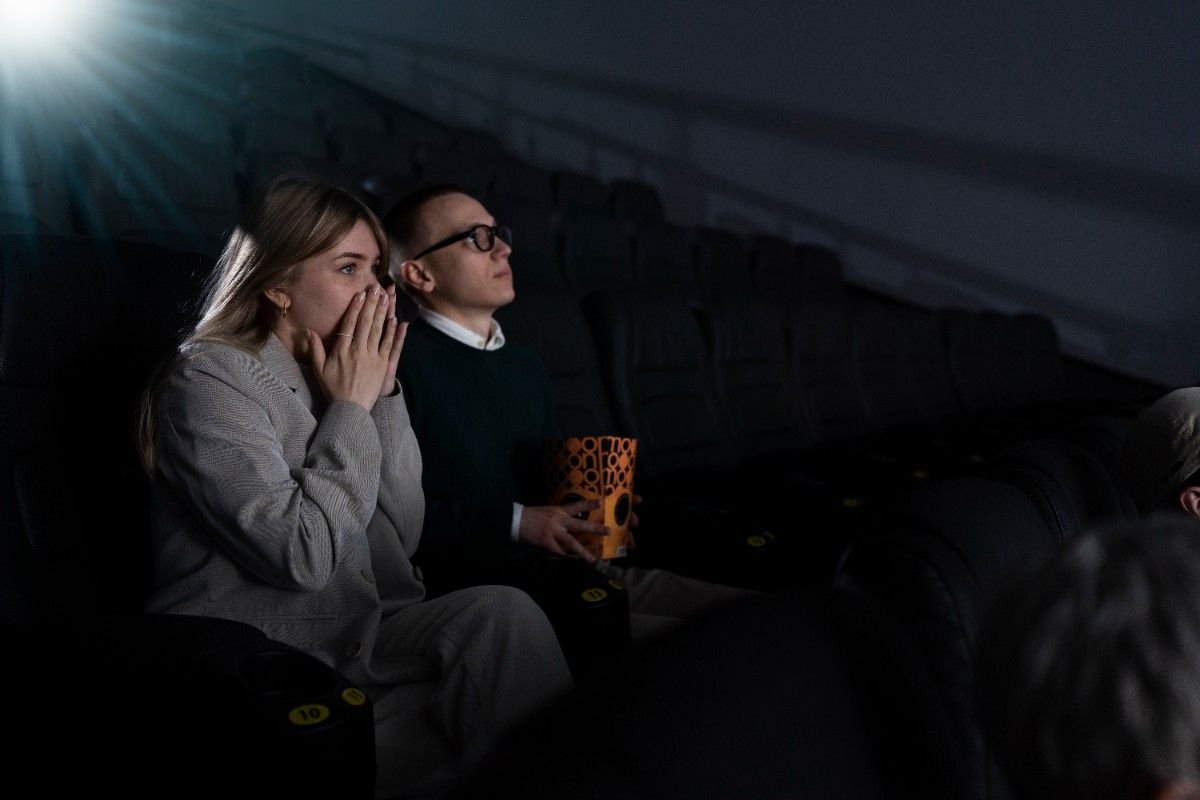
I still remember the first night I truly fell in love with classic horror movies. I was supposed to be casually watching an old black-and-white film, mostly out of curiosity, convinced it would feel dated and slow. Ten minutes in, I was sitting upright, heart racing, wondering why the silence felt louder than any modern jump scare. That moment flipped a switch for me. I realized these films did not rely on shock value. They relied on atmosphere, timing, and storytelling that quietly crawls under your skin and refuses to leave.
What Defines Classic Horror Movies And Why Do They Still Matter?
Classic horror films are defined by their ability to create fear through mood rather than excess. These films focus on storytelling, character tension, and visual composition to build unease over time. Instead of showing you everything, they let your imagination fill in the gaps, which often makes the experience far more unsettling.
Another reason these films still matter is their cultural impact. Many modern horror tropes exist because horror movies laid the groundwork decades ago. From eerie musical cues to slow reveals and morally gray characters, these films shaped how fear is portrayed on screen even today.
Which Universal Monster Films Shaped Classic Horror Movies?
The Universal monster era from the 1920s through the 1950s created the foundation of classic horror movies as we know them. These films introduced iconic characters who were as tragic as they were terrifying. They also established horror as a serious cinematic genre rather than a novelty.
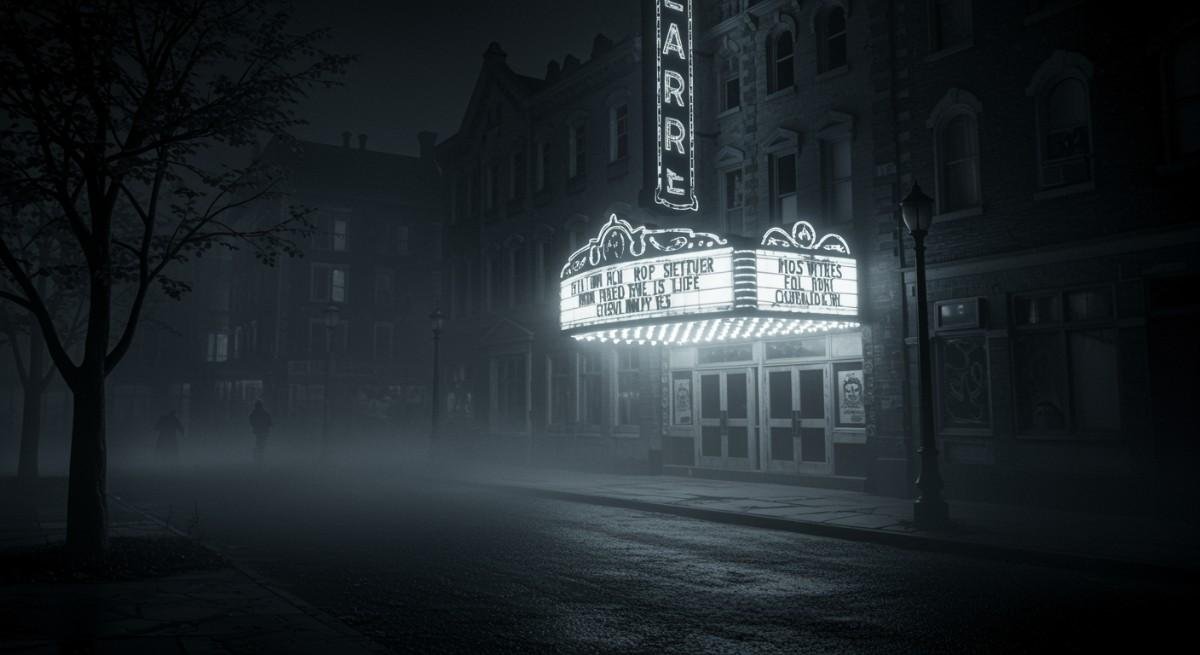 Nosferatu: A Symphony of Horror is one of the earliest and most influential vampire films ever made. Its eerie visuals and Max Schreck’s unsettling performance as Count Orlok helped define how vampires would be portrayed on screen for generations. Even today, filmmakers continue to draw inspiration from its shadow-heavy style and haunting atmosphere.
Dracula played a major role in launching Universal’s golden age of horror. Bela Lugosi’s portrayal of the Count became the definitive version of the character, shaping popular culture’s image of vampires with his calm menace and unforgettable presence.
Frankenstein transformed Boris Karloff’s Monster into a lasting cultural icon. What made the film stand out was its emotional depth, blending fear with sympathy and turning the Monster into a tragic figure rather than a simple villain.
The legacy continued with Bride of Frankenstein, a sequel widely praised for expanding the original story with intelligence, emotional complexity, and subtle dark humor. It remains one of the most respected sequels in film history.
The Invisible Man added a sharp psychological edge to classic horror by exploring how unchecked power and invisibility can lead to moral collapse. Its focus on madness and loss of control made it both frightening and thought-provoking.
How Did Mid-Century Films Redefine Classic Horror Movies?
The 1950s and 1960s marked a major evolution for horror movies. Filmmakers shifted away from simple monster-driven scares and began exploring psychology of fear and moral ambiguity. Horror became more intimate and more disturbing because it felt closer to real life, often unfolding in familiar settings rather than distant fantasy worlds.
Diabolique (1955)
This film is a masterclass in suspense, proving that dread can be built entirely through anticipation and misdirection. Instead of shocking the audience, it slowly tightens tension, making every quiet moment feel dangerous and deliberate.
Psycho (1960)
Psycho shattered audience expectations and changed cinema forever. Its shocking narrative structure and unforgettable shower scene rewrote the rules of horror, showing that fear could come from sudden emotional disruption rather than monsters.
Eyes Without a Face (1960)
This film brought a poetic yet deeply unsettling tone to horror. Beneath its calm and elegant visuals lies a disturbing story about obsession and identity that went on to influence generations of filmmakers.
The Haunting (1963)
Atmospheric storytelling reached new heights with this film. By terrifying audiences without relying on visible ghosts, it proved that sound, suggestion, and imagination can be more frightening than anything shown on screen.
Night of the Living Dead (1968)
This film reinvented the zombie genre while quietly commenting on social unrest and fear of societal collapse. Its raw realism made the horror feel immediate, personal, and impossible to escape.
Rosemary’s Baby (1968)
By tapping into paranoia and isolation, this film turned neighbors, relationships, and pregnancy into sources of fear. Setting horror within everyday life made the story feel deeply unsafe and unsettling in a way that still resonates today.
Why Are 1970s Classics Still Essential Classic Horror Movies?
The 1970s pushed classic horror movies into bolder, more unsettling territory. Filmmakers embraced realism, emotional discomfort, and taboo themes, making fear feel immediate and personal.
The Exorcist (1973) blended religious terror with emotional realism, earning its reputation as one of the scariest films ever made.
The Texas Chain Saw Massacre (1974) shocked audiences with gritty, documentary-like intensity that felt terrifyingly real.
Jaws (1975) proved that suspense and restraint could deliver nonstop tension and reshape blockbuster cinema.
Halloween (1978) closed the decade by defining the slasher genre through simplicity, atmosphere, and an unforgettable villain.
How Can Beginners Start Watching Classic Horror Movies Today?
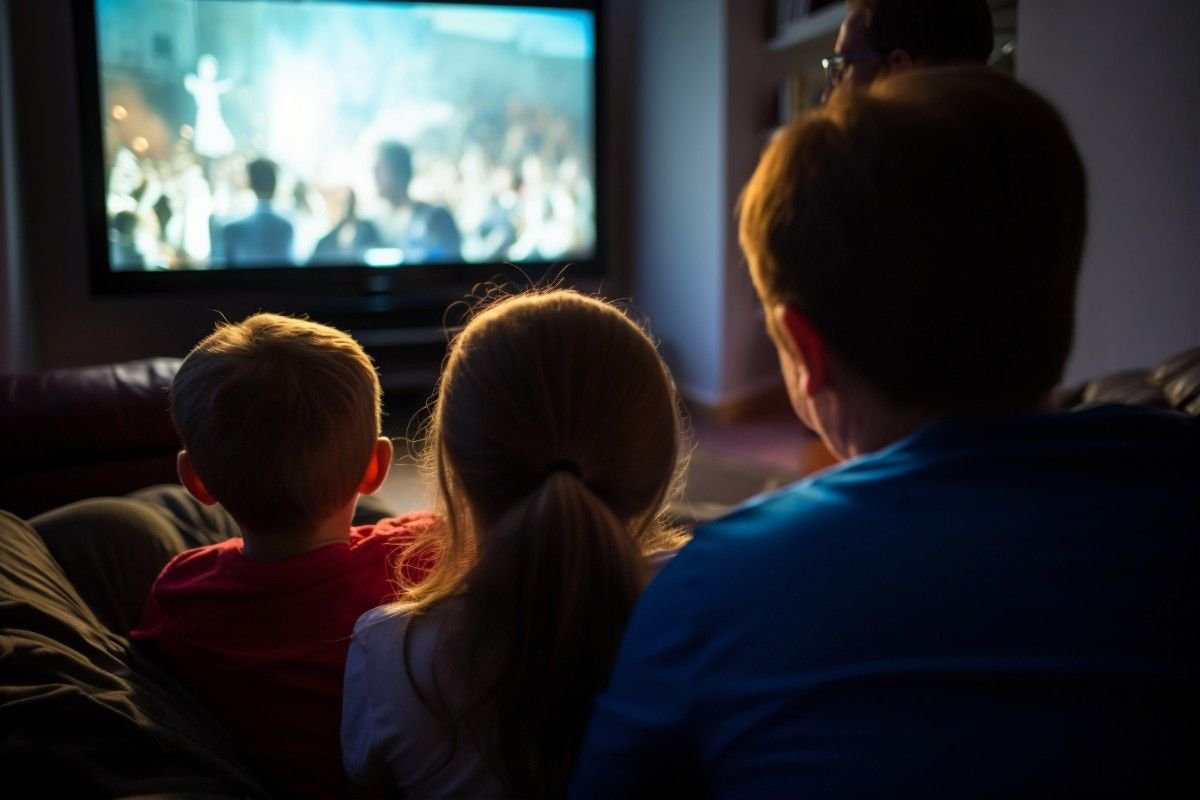
Getting into classic horror movies works best when you approach them with the right mindset. These films reward patience, so letting go of modern pacing expectations is key. Watching without distractions allows the tension to build naturally.
Start with psychological or suspense-driven classics before diving into slower gothic films. Once you adjust to the rhythm, you will likely find yourself appreciating the craftsmanship and storytelling choices that make these movies timeless.
How To Plan The Perfect Horror Movie Night?
Planning a classic horror movies night starts with setting the tone. Dimming the lights, silencing your phone, and committing to the experience helps you fully absorb the atmosphere these films rely on.
Choose a movie based on your mood rather than hype. Some nights call for psychological tension, while others are perfect for watching classics on halloween night, gothic visuals or social commentary. After the film ends, take a moment to reflect. These movies often linger, and that lingering feeling is part of their magic.
Frequently Asked Questions
1. Are classic horror movies still scary for modern viewers?
Classic horror films can be incredibly scary, but in a slower and more psychological way. Instead of constant jump scares, they build tension through atmosphere and storytelling. If you allow yourself to fully engage, the fear feels deeper and more personal, often sticking with you long after the credits roll.
2. What is the best classic horror movie for beginners?
For beginners, starting with accessible psychological classics is a great choice. Films that focus on suspense and character behavior feel familiar while introducing the pacing and style of classic horror movies. Once comfortable, branching into earlier black-and-white films becomes much easier.
3. Do classic horror movies feel outdated?
Some visual elements may reflect their era, but the themes rarely feel outdated. Fear of isolation, loss of control, and the unknown are universal. Many viewers find that these older films feel more thoughtful and immersive than modern horror once they adjust to the style.
4. Where can I stream classic horror movies today?
Many retro horror movies are available on major streaming platforms, specialty classic film services, and public-domain archives. Availability changes often, so a quick search usually reveals current viewing options without much effort.
Why Retro Horror Movies Will Always Haunt Us
Classic horror movies do not rush to scare you. They invite you in, slowly tighten the tension, and trust you to feel the fear on your own terms. That confidence is why they still work decades later.
My advice is simple. Watch one classic with your full attention and an open mind. Let the silence do the talking. You might find yourself a little spooked, a little impressed, and completely hooked.
